
Have you ever watched a stock price climb and asked yourself what set it off? Think of the market like a lively room where every trade causes a small ripple. A company’s strong financial results, shifts in economic policy, and the general chatter among traders all add up. In this post, we explore how solid performance, changes in market mood, and clear technical signals work together to lift a stock’s value. Ready to see how these pieces come together for speedy gains?
Core Factors Driving Rapid Stock Price Growth
Think of the stock market as a bustling auction where every bid and sale can quickly change the price you see. Each passing second is marked by countless individual trades, much like teammates passing a ball on a busy playground. Prices update in real time, showing the constant give-and-take between buyers and sellers.
Key drivers behind these quick price shifts include:
- Fundamentals: This means a company with strong performance, steady earnings, rising revenues, and expanded profit margins, that naturally builds trust among investors.
- Economic and policy factors: Broader market trends and government actions can really influence trading moods. Changes in economic numbers or new rules might either boost or cool down investor enthusiasm.
- Sentiment and technical signals: These are clues seen in things like moving averages and sudden surges in trading volumes. Sometimes, even the buzz around the market triggers fast moves, often powered by automated trading tools.
In truth, these rapid moves aren’t caused by just one thing. They come from a mix of everyday business performance, shifts in the wider economic view, and technical signs that prompt swift responses from the trading crowd. Next, we'll explore each area more closely to see how solid financial performance, big-picture economic changes, and quick technical signals work together to drive market action.
Financial Performance Metrics Fueling Rapid Stock Price Growth

When you look at a company's numbers, it’s a lot like checking its heartbeat. These little financial clues help investors feel more confident about where their money is going. When sales pick up or profit margins get wider, it often means even more growth down the road. And when that happens, investors tend to jump in, which can quickly boost the stock price.
Here are some key signs to watch for:
- revenue surge
- EPS beat
- margin expansion
- earnings surprise
Take, for example, a situation where a company posts earnings that beat expectations. That news isn’t just a number on a page, it shows that the company is strong and doing something right. It makes everyone feel good, sparking a quick wave of buy orders that drives the price up almost instantly.
Impact of Earnings Announcements and Quality Signals
Earnings news can act like a spark in the market. When a company does better than expected, it gives investors hope and makes them rush to buy shares. A rising stock price after such news works like a green light, it shows that the market trusts the company’s quality and growth. This trust often leads to even more buying. Imagine a surprise earnings beat that sends a flurry of trades into motion, each one fueled by strong numbers and a belief in a bright future. In the end, solid financial results mixed with reassuring quality signals push the stock price upward.
Macroeconomic Drivers and Policy Effects on Rapid Stock Price Growth
When the economy is strong, with plenty of good jobs, solid spending, and healthy company earnings, stock prices tend to climb. At the same time, tools like the VIX, which climbed nearly 20% by Q3 2024, serve as a kind of heartbeat for market mood. When you see the VIX spike, it tells you that investors are getting ready for faster, more dramatic price changes.
Government moves also have a big impact on how investors feel. Changes like new tax rules or special incentives for certain industries often send ripples through the market. For example, when lawmakers push for renewable energy, investors might start buying stocks in that area, which can boost prices quickly. These policy shifts not only change the market’s mood but also speed up how fast prices move.
Then there’s how different sectors perform. Industries such as banking, technology, and pharmaceuticals can pull the whole market up or hold it back based on their results. When one of these sectors experiences growth because of strong profits or new breakthroughs, it often lifts other related stocks along with it. This kind of energy across an entire sector can make it easier for investors to spot promising opportunities.
Technical Indicators and Algorithmic Trades in Rapid Stock Price Growth

Technical signals act like little sparks that can ignite a rapid rise in a stock's price. When you see signs such as moving-average crossovers or breakout signals, think of them as a friendly tip-off, much like a green light at a busy intersection. For example, if a stock pushes past a key resistance level and trading volume jumps up suddenly, it’s like watching a crowd rush in at just the right moment. These cues help both everyday investors and smart trading systems figure out when it's time to make a move.
Algorithms play a huge part in this fast-paced scene by scanning the market at lightning speed. They’re programmed to spot those surges and shifts immediately, placing large orders the very instant a breakout shows up. Imagine a well-coordinated relay race where each digital order hands off the baton smoothly, pushing prices even higher. It’s a bit like having a secret boost, confirming, and sometimes even driving, the stock’s upward momentum.
Investor Sentiment and Social Media Impacting Rapid Stock Price Growth
Our feelings can really shake up the stock market. Ever notice that when investors get excited or nervous, they tend to act right away? It’s like being at the beach, when one person suddenly starts running, soon everyone is off in pursuit. For example, one unexpected tweet about a company's product flaws once sent a shockwave through the market, and the stock price plunged in an instant. In truth, these strong emotions set off a chain reaction that can blast prices upward or drop them just as fast.
Social media is a hotbed for these kinds of market moods. Many retail investors now flock to forums and social channels to share ideas and react to news as it happens. This constant buzz can spark a buying frenzy. Imagine seeing a stock trending with hashtag mentions all over, it can prompt mass buying and trigger a rapid spike in price, only to see it drop just as quickly when the excitement fades.
Speculative behavior often turns the market into a roller coaster. When rumors and hype push investors to buy in a rush, prices can shoot up in a sudden burst. But once that rush dies down or investors start locking in their profits, the price can quickly pull back. It’s a vivid reminder of how much crowd behavior drives these rapid price swings.
Liquidity Dynamics and Supply-Demand Shifts in Rapid Stock Price Growth
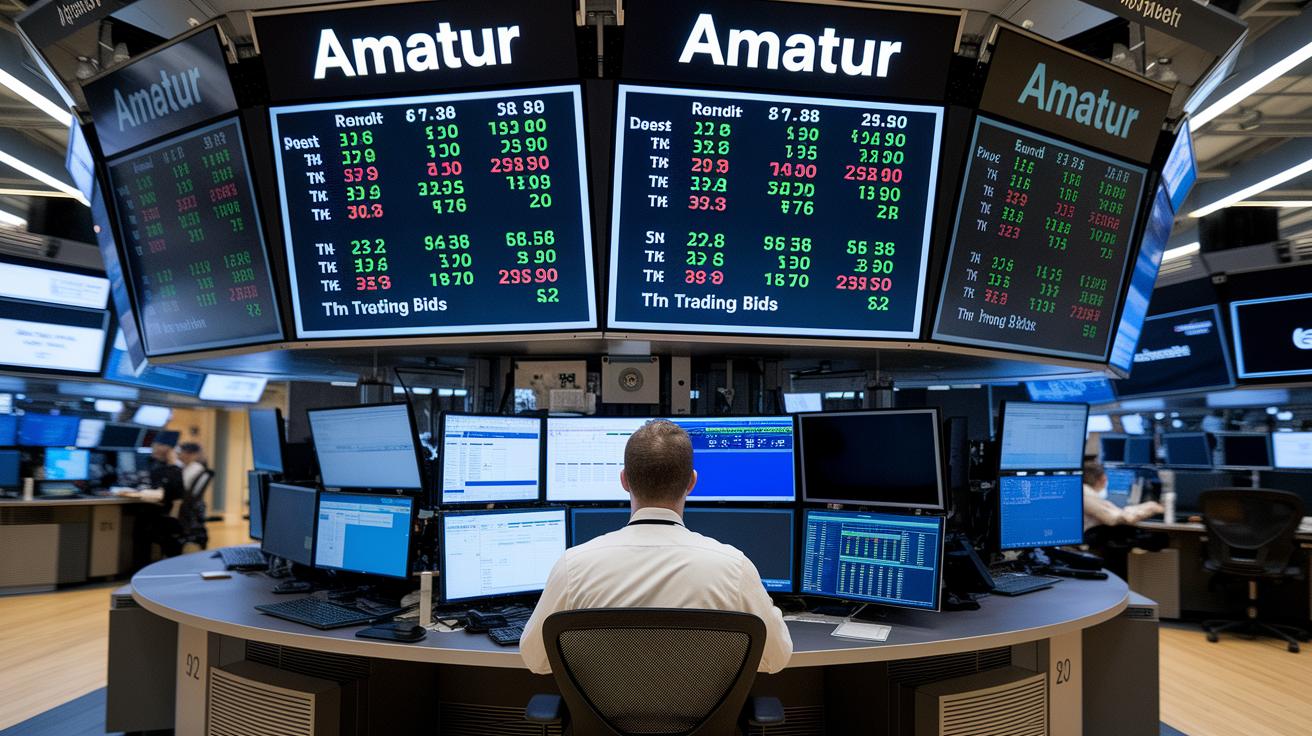
Imagine being at an exciting auction where every bid matters, and the price changes with each new offer. In the stock market, prices move up when there are more buyers than sellers, much like bids driving the final price upward at an auction. Every trade feels like its own little auction, where the push and pull of supply and demand quickly makes a difference.
When you see a rush of orders, it tells you that there’s plenty of liquidity in play. Think of it as a calm market suddenly turning into a competitive bidding arena, with each buy order adding to a fast price jump. It’s like watching a quiet room burst into a flurry of activity, where every order plays a part in the rising prices.
And in cases where stocks have fewer shares available or a lot of traders are shorting, things can heat up even more. When traders scramble to buy back shares to cover their positions, it can trigger a squeeze that pushes prices even higher. Picture a small stock where a handful of short sellers rush to cover their bets as prices rise; their actions add extra fuel to the growing demand, making the upward climb even steeper.
Final Words
In the action of busy markets, we broke down how auction-style price discovery and clear financial metrics fuel quick moves. We touched on how solid company performance, shifting economic policies, technical signals, and investor sentiment shape sudden jumps. We even saw the role of liquidity in intensifying trends.
All these insights help explain factors influencing rapid stock price growth. Keep these ideas in mind as you make smarter decisions in your investing efforts.
FAQ
What factors affect the stock market today?
The stock market today is influenced by economic data, corporate performance, investor sentiment, and policy decisions that create the dynamics of buying and selling in real time.
Why do stock prices change every second?
Stock prices change every second because the market operates like a real-time auction, where constant buying and selling adjust prices as new orders flow in.
How do share prices increase or decrease?
Share prices move up or down when demand outweighs supply or vice versa. Positive earnings, strong demand, and market sentiment typically drive prices higher, while negative news can lower them.
How can you predict if a stock will go up or down?
You can assess technical signals, company financial performance, market news, and economic trends to gauge if a stock is likely to appreciate or decline in value.
How is a stock price determined in real time?
A stock price is set in real time through an auction-style process where the continuous flow of buy and sell orders establishes the current trading price.
Why is the stock market rising today?
The market may rise today due to strong economic reports, favorable earnings data, or a shift in investor mood that creates a higher demand for stocks.
What factors can affect a stock’s price and cause it to rise?
A stock’s price can increase when there is strong company performance, positive economic policies, improved market sentiment, or an earnings surprise that boosts investor confidence.
What is the 7% rule in stocks?
The 7% rule in stocks is a guideline some investors use to set target returns on investments, helping them decide when a stock might be a good buy, though its use can vary.
Why might there be a sudden increase in the stock market?
A sudden market surge can occur due to rapid buying, positive financial surprises, or liquidity shifts where increased trading activity drives prices quickly upward.
What three things can cause the stock market to fluctuate?
Market fluctuations often stem from changes in economic indicators, shifts in corporate earnings or fundamentals, and variations in investor sentiment that together create price volatility.