
Ever notice how your grocery bills have been creeping up? It might seem like your favorite snacks are too pricey these days, but there’s a twist in the tale.
Food prices have jumped by almost 32 percent since 2019. That’s a big change. Still, if you look closer, you’ll find trends that could actually work in your favor.
In this chat, we’ll break down what’s behind these price increases and share simple tips that might help turn the situation around for your budget. Have you ever caught a glimpse of a good opportunity in unusual places?
Key Drivers of Food Price Inflation
Food prices are on the rise, meaning what you used to buy for less is now more expensive. Since 2019, the cost of everyday groceries has jumped by about 32 percent. Imagine strolling through your local market only to find that your favorite items now cost noticeably more. It really makes you stop and think: How did we get here?
A large part of these price hikes comes from higher operating expenses. Costs for farming supplies, fuel, and equipment have soared, and that extra expense is passed along at every step, from the farm to the store. Plus, when unexpected events like rough weather or delivery delays hit, they create shortages that force sellers to bump up prices even further.
Grocery stores aren’t immune either. Their profit margins have grown from 6 percent in 2021 to 7 percent in 2023. That small percentage rise is a clear sign that increased costs are being transferred to your shopping basket. And now, with new tariffs coming into play after January 2024, there’s even more cost pressure affecting your everyday expenses.
Evolution of Grocery Price Inflation: Historical and Recent Trends

Over the years, grocery prices have changed in ways that really show up in what we spend every week. In August 2025, the CPI-U data told us that grocery prices were up by 0.5 percent compared to the previous month. But here’s an interesting twist: while everyday grocery prices nudged upward, non-food items like women’s apparel and IT hardware actually dropped by 2 percent, and gasoline slipped by 0.4 percent. This tells us that not every sector moves in the same direction.
Core food items, which many of us depend on, are on the rise. Yet, a few staples like cereals, bread, ham, and bakery treats saw a small drop in price. These little dips can ease the overall pressure on our wallets, even when other things get tougher on our budgets.
Looking back at these patterns, you can see that while food prices generally rise because of things like higher production costs, we as consumers have learned to adapt over time. Yes, many food prices have steadily increased, but those occasional reductions can bring a bit of relief. In truth, this layered view of price changes helps us understand the real picture of grocery inflation and offers some guidance on how to plan our spending smartly.
Supply Chain Disruptions and Pricing Pressures in the Food Industry
Sometimes, a small hiccup overseas can shake things up big time. For instance, one shipment delay caused shipping fees to jump by 20 percent, which then pushed up prices at supermarkets.
Around the world, supply issues are taking shape in different ways. When shipments get delayed internationally, steep fuel surcharges kick in. At home, smaller yet frequent hold-ups gradually nudge prices higher.
If you look at the journey from farm to store, the costs are climbing at every turn:
| Production Stage | Cost Impact |
|---|---|
| Raw Materials | Seed, fertilizer, and labor costs are on the rise |
| Processing | Expensive equipment and higher fuel bills add up |
| Distribution | Transport and storage costs are climbing |
Experts say that while local issues lead to quick price bumps, global delays bring in those unpredictable extra charges. Think about it, when shipments face international delays, you might see shipping fees go up by 20 percent. Meanwhile, local shortages mean prices tick up a little bit at a time.
Another surprising fact is that when a local distributor sees a 15 percent rise in fuel costs, even regular shipments start costing noticeably more.
Regional and International Variations in Food Price Inflation
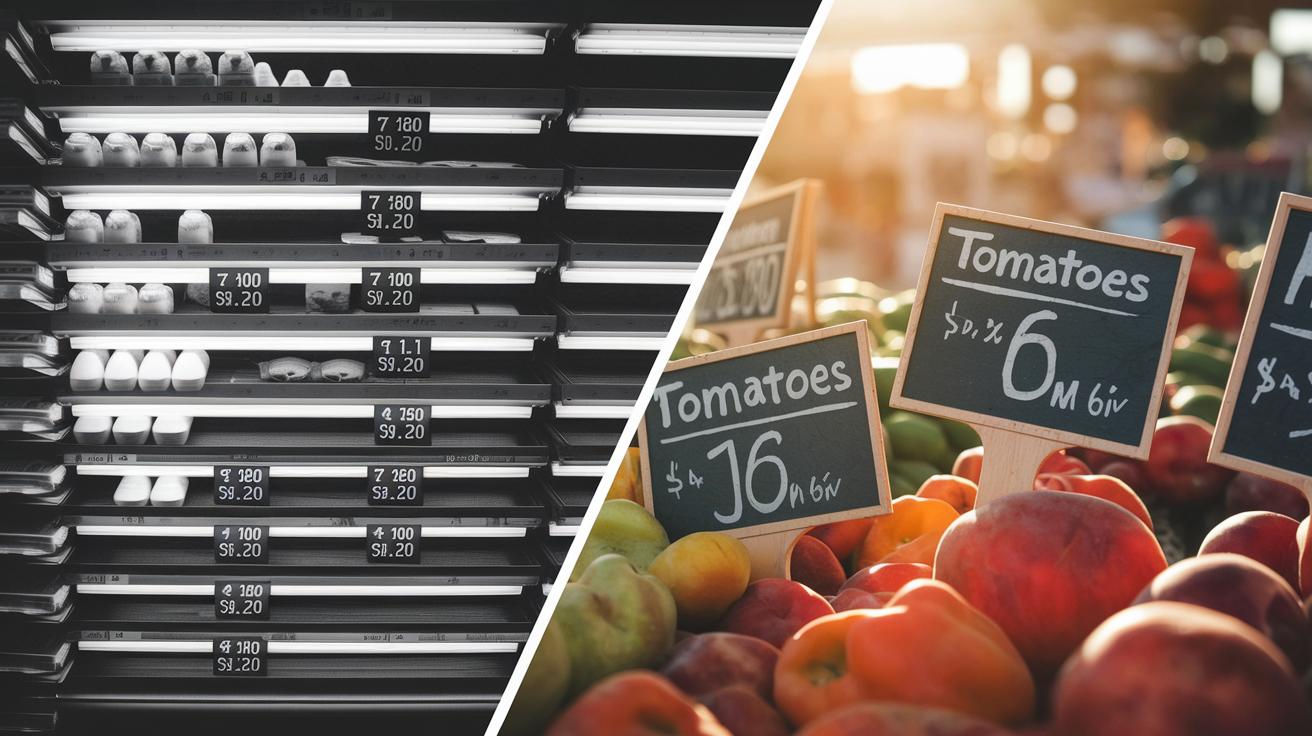
Have you ever noticed that grocery prices seem to climb faster in some parts of the country than others? In big U.S. cities, where the buzz of daily life is constant, prices are rising quickly. Meanwhile, in quieter rural areas, the increases are much more gradual. Data from the BLS and BEA shows that if you look at state-by-state differences, the gap can be pretty clear.
New U.S. tariffs and trade barriers have flipped the script on local versus imported goods. These changes mean that in some states, groceries made close to home now cost more than they used to. Still, other countries manage to keep their grocery bills lower, even with global pressures at play. So, while many U.S. shoppers are feeling the squeeze, those who can tap into steadier markets might find a bit of relief.
- State-level data clearly shows that consumer costs can vary widely.
- Urban areas tend to see steeper price hikes.
- Comparing prices internationally highlights some markets with lower grocery costs.
In truth, mixing local and global views like this can really help us understand where there might be room for a little optimism.
Commodity-Specific Inflation: Meat, Dairy, and Produce Trends
Not all food prices jump up the same way. Some things, like beef and veal, have shot up by almost 15% in the past year. Imagine grabbing a cut of meat that costs nearly 15% more now than it did last year. It’s a clear sign that meat prices are under serious pressure.
Dairy products aren’t far behind. Since 2022, items like milk and cheese have seen price bumps into the double digits. This means your favorite dairy treats are costing more and might stretch your monthly budget a bit.
Fruits and vegetables have also risen in cost, by about 8 to 10%. Whether it’s the crisp greens you add to your salad or the fruits you snack on, you’ll notice a steady increase in prices. Meanwhile, grains and bakery products such as cereals and bread have dropped a little, but they still hold an important spot in overall food spending.
| Food Category | Year-over-Year Price Change |
|---|---|
| Beef & Veal | +14.7% |
| Dairy | Double-digit rise |
| Produce (Vegetables & Fruits) | +8–10% |
| Grains and Bakery | Modest declines |
These details give you a clear peek at where the price pressure is coming from, so you can better plan your next shopping trip.
Forecasting Food Price Inflation: Models and Projections

Industry reports like “Food Retailing Industry Speaks 2025” and “U.S. Grocery Shopper Trends 2025” are showing us that food prices are likely to keep creeping up. For instance, prices edged up by about 0.5% in August 2025 compared to the month before. Experts use smart inflation models, which break down spending and track everyday changes, to figure out the factors pushing up costs. It’s interesting to note that even a tiny change in one area can send waves through the whole market!
Analysts often rely on these predictive models to spot short-term trends and then use “future basket” forecasts to compare different goods together. Think of it like checking how one ingredient in a recipe can change the flavor of the whole dish. This approach helps them see how shifts in one item might influence overall spending.
They also take a close look at the immediate future with short-term outlook reviews to understand today’s fast-changing conditions. With these sturdy inflation models in hand, industry experts are leaning toward long-term predictions that point to gradual growth, while still keeping an eye out for potential slowdowns in the near future.
Consumer Strategies to Mitigate the Impact of Food Price Inflation
Rising food prices can feel overwhelming, but tweaking your meal planning can really help. Try setting up a weekly menu based on what’s in season. Seasonal produce is often not just fresher and tastier, but also kinder on your wallet. For example, plan your meals around the items that are on sale to stretch your dollars further.
Smart grocery shopping goes hand in hand with keeping an eye on value. Ever heard of shrinkflation? That’s when manufacturers shrink packaging sizes to sneak in a price hike. Knowing about this lets you compare unit prices easily. A good move is to check different brands to make sure you’re getting top quality without overpaying.
Another neat tip is to organize your shopping trips with a solid list. Before you head out, jot down everything you need. This simple habit cuts down on impulse buys and helps keep your budget in check. In other words, when you make a list, you’re more likely to stick to what you really need instead of grabbing extras.
Also, consider tuning into on-demand webinars that walk you through smart meal budgeting. These sessions break down practical ways to balance flexibility with careful spending. They often share ideas like buying in bulk for everyday items or planning meals that share common ingredients.
By mixing smart meal planning, vigilance against hidden price hikes, and tapping into handy educational resources, you can ease the impact of rising food costs while still enjoying a nutritious, balanced diet.
Policy and Industry Responses to Curb Food Price Inflation

Governments and industry leaders are joining forces to help ease the rising pressure on food prices. One key strategy is reshoring production, which means moving manufacturing back to home soil. Picture this: rather than importing cucumbers from far-off lands, they're now grown locally. This switch helps keep prices steady and less dependent on unpredictable global markets.
Since new tariffs took effect after January 2024, extra trade costs have cropped up, adding a mix of challenges. In response, industry experts are leaning towards more resilient sourcing and smoother operations. They’re putting forward ideas like:
| Strategy | What It Means |
|---|---|
| Focus on Domestic Suppliers | Stick with local sources to avoid global market disruptions. |
| Innovative Operations | Use new, efficient methods to cut down waste and extra costs. |
| Policy Reviews | Regular checks and updates to trade policies to keep pace with market changes. |
At the same time, government agencies are taking a closer look at pricing and trade rules to promote fair competition. They’re working on measures that not only protect consumers from sudden price jumps but also bolster domestic production. This helps strengthen local economies and shields us from the wild ups and downs of international markets.
Overall, this blend of smart government oversight and flexible industry tactics offers a promising way to tame food price inflation. It’s a bit like having a reliable home team making sure you get the best ingredients for your table, helping everyone feel more secure and supported in these ever-changing times.
Final Words
in the action, we broke down how food price inflation is shaped by rising operating expenses, shifting supply chains, and regional pricing differences. We discussed commodity pricing, forecast models, and consumer strategies that stretch every dollar. Each section helped paint a clearer picture of why grocery costs change and how smart choices can make a real difference. With transparency on market trends and risk management strategies in view, smart moves and secure practices brighten the path ahead.
FAQ
What do U.S. food prices charts and graphs show?
U.S. food prices charts and graphs show how grocery costs have changed over time, whether by year, month, or decade. They reveal trends like seasonal shifts, yearly increases, and future projections such as those for 2025.
What is the current inflation rate for food?
The current inflation rate for food reflects how fast grocery costs are rising based on national indexes and data. It fluctuates with market conditions, operating costs, and supply challenges.
Why are food prices going up so much right now?
Food prices are rising due to higher production and transport costs, supply-chain disruptions, rising operating expenses, and added tariffs, all of which push retail prices upward.
What is food price inflation?
Food price inflation is the rising cost of grocery items over time. It results from factors like increased input costs, supply shortages, and shifts in consumer demand, affecting everyday expenses.
How much was $20 worth of groceries in 1980?
The value of $20 in 1980 bought much more groceries than it does today. Inflation over the decades has significantly reduced the purchasing power of that amount in today’s market.