
The latest snapshot of superinvestors' top ten purchases last quarter reveals a clear pattern: a defensive, quality-first rotation. Rather than piling into meme plays or late-cycle growth fads, these seasoned allocators concentrated on safe-haven assets — names with resilient cash flows, dividend support, or defensive sector exposure. They explicitly avoided headline-chasing hype positions and kept clear of US tech mega-cap frenzy. That matters because when the most experienced hands favor protection over speculation, it signals concern about macro volatility and a preference for capital preservation. For retail and institutional investors alike, this is a reminder to prioritize balance sheets, yield, and downside protection.
Superinvestors' Top 10 Buys: Defensive Tilt

The latest summary of superinvestor activity shows a pronounced defensive tilt. Their top ten buys favored names that offer steadier earnings, dividends, and balance-sheet resilience rather than speculative momentum plays. In an uncertain macro environment, think higher rates, sticky inflation and geopolitical risks, this behavior suggests prioritizing capital preservation over chasing short-term upside. Notably, US tech mega-caps were underweighted in these lists, and hype positions largely absent. For observers, this is a signal to revisit portfolio exposure: consider trimming overbought winners, adding quality defensives, and ensuring allocation matches your risk tolerance and time horizon.
$FI's Surprising Attention: Why Some Called It 'Extended'

One curious highlight was the attention paid to $FI. The thread's author called that interest "strange" and noted the position appeared "very extended." In investor parlance, extended often means price momentum has outrun fundamentals, valuation, cash flow or structural tailwinds. Superinvestors saying they avoided it implies a defensive reading: if a name is crowded and richly valued, long-term value buyers step back. That caution helps avoid momentum traps and big drawdowns. For readers, the lesson is to look beyond headline popularity and assess whether a stock's price reflects durable fundamentals or just transient fervor.
Not a Safe-Haven? Other Explanations for $FI Demand

A reply in the thread pushed back: the $FI buys may not have been motivated by safe-haven thinking. That opens other possibilities, event-driven demand (M&A, spin-offs), yield-chasing in a low-rate regime, tactical hedging, or simply concentrated momentum from a few large funds. Sometimes short-covering or activist whispers can create intense, temporary interest that shows up on top-buy lists but doesn't indicate a broader risk-off posture. Parsing intent requires context: trade size, timing relative to news, and whether similar flows appeared across many managers. Investors should avoid assuming a single driver when multiple forces can produce the same headline.
They'll Catch Up: Why Avoided Names Can Bounce Back
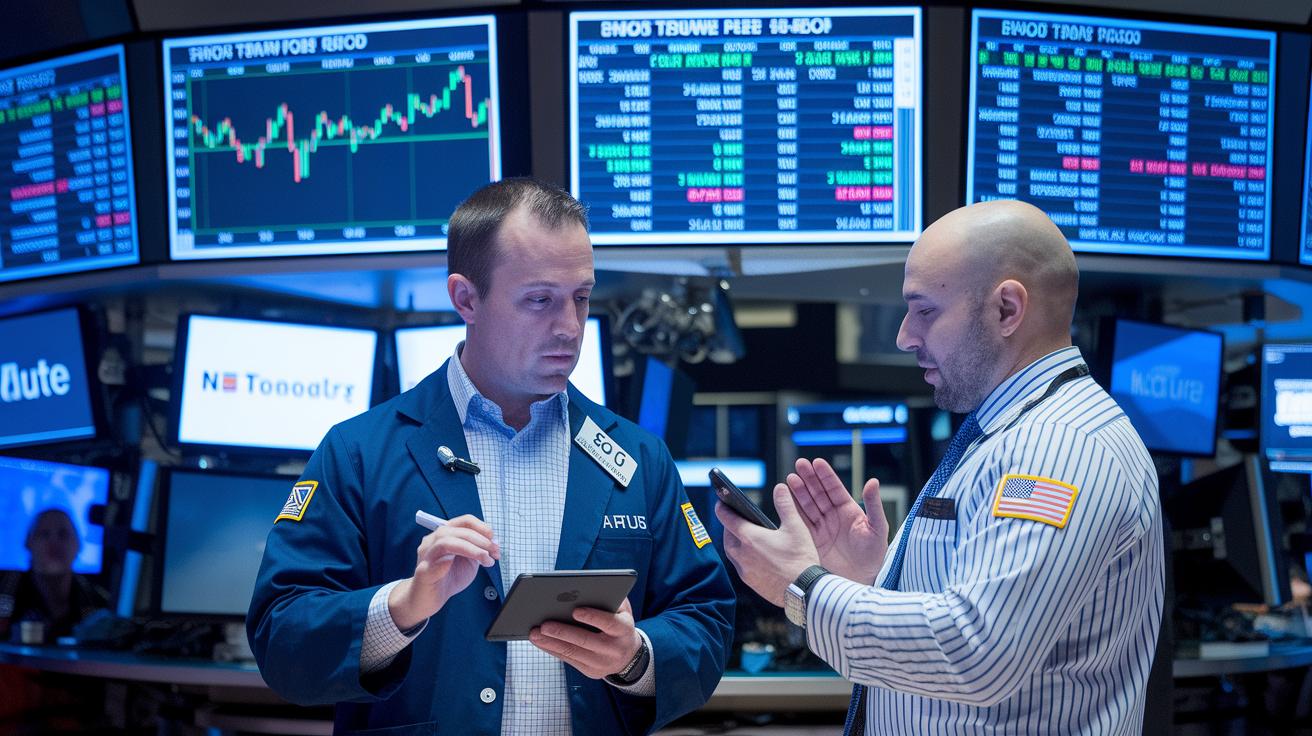
The short reply "They'll catch up" captures a common market rhythm: sectors or names that lag often rebound once volatility eases or sentiment shifts. If superinvestors rotated into defensive positions, other market participants might later rotate back into growth or mega-cap tech when earnings momentum or liquidity returns. Catch-up rallies can be fast and dramatic, driven by re-risking flows and multiple expansion. For long-term investors, the prudent approach is to monitor valuation gaps and catalysts rather than chase rebounds blindly. Combining stable, safe-haven holdings with selective exposure to fundamentally strong growth names can capture both protection and upside over cycles.