
Ever wondered if taking a bit of risk could actually boost your investments? High yield bonds, once seen as too risky, now show that a little daring can add a spicy kick to your finances. They pay higher interest rates as a reward for embracing extra risk, giving you a mix of increased income and reassurance. In this chat, we’ll look at how smartly adding high yield bonds to your portfolio might help you grow steadily, even when market conditions get a bit choppy.
High yield bonds Fuel Robust Portfolio Growth
Have you ever considered bonds that many once thought were too risky but can actually give your portfolio a real boost? High yield bonds, often called junk bonds, are a type of fixed-income security with ratings below investment grade. They pay higher interest rates to reward you for taking on extra risk.
Take Vanguard's VWEHX for example, it holds around 900 corporate bonds that don’t meet standard ratings. Before investors warmed up to these bonds, they were dismissed as being far too dangerous. But smart allocation can really ramp up your income.
These bonds generally behave more calmly than stocks, though in a market downturn they might act more like the stock market. Think of it as adding a pinch of spice to a well-crafted meal; the extra zest from high yield bonds can lift your returns without overwhelming the rest of your portfolio.
The higher coupon payments can be a strong draw for income-focused investors. You see, high yield bonds come with a greater chance of default when compared to investment-grade bonds, but that risk is balanced by the added income they generate. When the market gets rough, yield spreads can widen, signaling a higher reward for holding these bonds.
In truth, if you carefully examine the credit quality and market conditions, high yield bonds might be just the tool you need. In a well-diversified strategy, they work like income boosters that help steady your overall returns, even during market swings.
Risk and Yield Analysis for High Yield Bonds

High yield bonds deliver a higher income, but they also bring extra risks that you need to consider. In calm market times, the extra yield, often measured as the spread over Treasuries, can be under 300 basis points. But when markets get rough, that spread might jump past 700 basis points. In fact, during a sudden bond market crash, credit spreads can rise sharply, showing just how stressed the market can become, especially when prices fall quickly.
Understanding credit risk is crucial with these investments. On average, about 3% to 5% of high yield bonds can default each year. Factors such as high debt levels and shifts in credit ratings greatly influence this default rate. For example, if a company’s rating slips without warning, its risk jumps up, reminding us to keep a close eye on financial health.
Another key point is how these bonds react to changes in interest rates. Longer maturity bonds, much like a tall building swaying in a storm, tend to drop in value faster when interest rates rise. Plus, trends like spread compression can lessen the benefit of a high coupon if sudden interest rate shifts change market sentiment.
By combining default probability models with rating assessments, investors get a clear, numbers-based look at risk. These tools help predict potential defaults and adjust for bond duration, ensuring that the extra yield adequately compensates for the higher risk. It’s a bit like checking the forecast: knowing there might be a storm helps you prepare, even on a sunny day. Keeping a close watch on market swings helps you decide whether the extra income outweighs the risks involved.
Comparing High Yield Bonds to Other Fixed-Income Options
High yield bonds bring a unique twist compared to investment-grade corporates and Treasuries. Many standard fixed-income securities offer yields below 4%, but high yield bonds generally pay between 6% and 8%. This higher payout rewards you for taking on a bit more risk since these bonds aren't seen as safe as those with investment-grade ratings.
Looking at coupon rate comparisons, the extra interest on high yield bonds is meant to balance out the risk of credit issues. For example, while Treasuries and many investment-grade bonds might only offer modest interest, high yield bonds can boost your income if you're willing to accept a slightly higher risk. This makes them an attractive option for those focused on generating more income.
There are also other debt instruments, like tax-exempt municipal funds, that add to your array of fixed-income choices. An example is VanEck’s HYD muni ETF, which lets you tap into tax-exempt high-yield municipal bonds. Even if the tax benefit makes the stated yields look lower, the overall advantage could be a better after-tax return, especially if you fall into a higher tax bracket.
Mutual funds and ETFs also offer different approaches. Mutual funds might come with active management, while ETFs let you trade in real time. Investors often compare these by weighing higher yields against added credit risk, using models that look at things like default probability and the spread analyses.
Key points include comparing coupon rates, understanding credit risks, and choosing the right structure for your investing style.
Market Trends and Historical Performance of High Yield Bonds
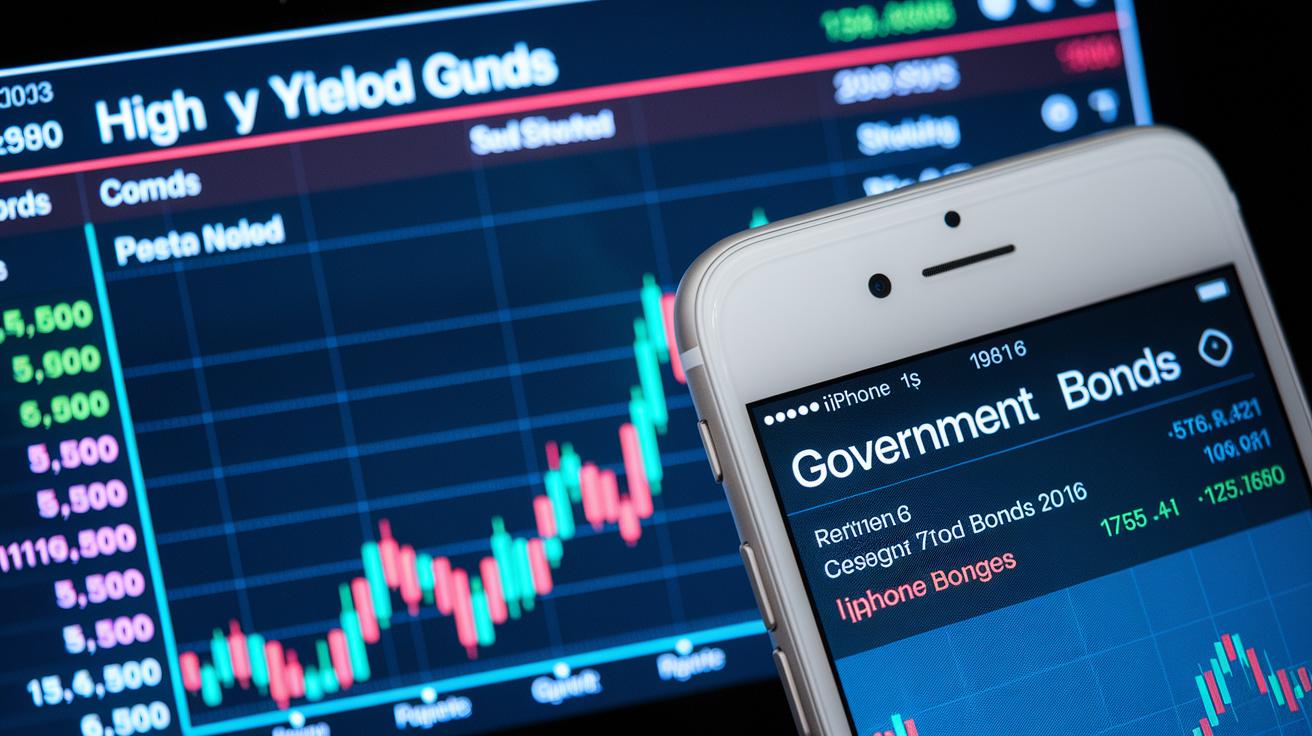
High yield bonds have had some interesting twists over the past few years. People often call these bonds junk bonds because they come with extra risk. Investors keep a close eye on how these bonds perform by watching yield trends and how long the bonds last. Sometimes, a fund might hold steady returns, while in other times, yields can jump during tougher economic periods, creating a bigger gap compared to safer government bonds. A gradual rise in yields is often linked to inflation, making it important for investors to consider how different sectors are set up and how easily their investments can be converted to cash.
Looking a bit deeper, you'll notice that funds can differ in size, the mix of bonds they hold, and the time horizon of these bonds. In simple terms, the number of bonds and their average maturity tell you a lot about a fund’s stability. Some more aggressive funds add a lot of different bonds with varied lifespans, while funds focused on safety stick with a steadier strategy. Check out the table below for a quick look at key metrics for some top high-yield bond ETFs and funds:
| Fund | # Bonds | Avg Maturity | Tax Status |
|---|---|---|---|
| VWEHX | ~900 | Varied | Taxable |
| HYG | >1,200 | 5 years | Taxable |
| BBHY | ~1,500 | Varied | Taxable |
| SPHY | Varied | >1 year | Taxable |
| HYD | Varied | Long-term | Tax-exempt |
These figures not only provide a snapshot of how the market is moving but also help investors keep track of changes in the credit world. Comparing today's yields with past trends gives a clearer picture in a shifting economic landscape.
Strategies for Portfolio Inclusion of High Yield Bonds
Investors often see high yield bonds as a smart way to add corporate debt to their mix. You might start by setting aside about 10–20% of your bonds in this area. This gives you room to include other income sources while also tapping into bonds that can offer higher returns.
One neat trick is laddering your bond maturities. This means scheduling various bonds to mature at different times so you can reinvest gradually. Think of it like having bonds come due every couple of years, it helps ease the bumps if interest rates start ticking up.
Another idea is mixing taxable and tax-exempt bonds. For example, pairing a HYD muni ETF with regular high yield bonds can spread out your risk and improve after-tax income. It’s a bit like building a balanced meal: by combining a mix of flavors, you end up with a more satisfying result.
Also, keep an eye on your investment mix. Rebalancing your portfolio now and then, especially after major market changes, can keep your high yield bonds from taking up too much or too little space. This ongoing check helps your strategy work as market conditions shift.
You can easily find high yield bond ETFs and mutual funds through most online brokerages. When you mix these bonds in with equities via mutual funds or ETFs, you're creating a more balanced portfolio that can stand up to market ups and downs.
Final Words
In the action, we broke down an overview of high yield bonds, exploring their coupon rates, credit challenges, and role in boosting income. We examined how these bonds stack up against investment-grade and Treasury options, spotlighting risk management and market shifts.
Next, we looked at practical strategies to include them in a portfolio for a balanced mix of income and security. High yield bonds can offer a smart, attractive option for investors looking to boost returns while keeping risks in check.
FAQ
Frequently Asked Questions
What are high yielding bonds?
The term high yielding bonds refers to bonds rated below investment grade that offer higher coupon rates than Treasury or investment-grade bonds, compensating for the added credit risk.
Are high-yield bonds a good investment now?
The assessment of high-yield bonds as an investment now depends on current market conditions and risk tolerance, since they can offer higher income while exhibiting increased sensitivity to credit and market fluctuations.
What is the highest yielding bond right now and do any bonds pay around 9% interest?
The highest yielding bonds can change frequently; some high-yield corporate bonds may offer yields near 9%, though investors should review current market data to confirm the best rate available today.
What are high yield bonds rates?
High yield bonds rates refer to the coupon rates offered by these bonds, which typically exceed those of investment-grade bonds to reward investors for taking on additional credit and market risk.
What is a high yield bonds ETF?
A high yield bonds ETF is an exchange-traded fund that bundles a variety of high-yield bonds, providing investors diversified access to lower-rated fixed income assets in one tradeable security.
What high yield bonds lists are available, including those from Fidelity?
High yield bonds lists, such as those provided by Fidelity, compile corporate bonds rated below investment grade, allowing investors to compare options and construct a higher income-oriented portfolio.
What are some examples of high-yield bonds or the best high-yield bonds?
Examples of high-yield bonds include corporate debt instruments from companies with lower credit ratings, often featured in popular funds like Vanguard’s High-Yield Corporate Fund, and can be considered some of the best options for income-focused investors.