
Ever wonder if one clever tool could change your investing game? A stock market screener works like your personal filter, quickly helping you sift through thousands of stocks. You can set simple rules based on market size, earnings ratios (a way to see if stocks seem expensive or affordable), dividend yields, and more. It gives you an instant snapshot of which stocks might match your goals.
In this article, we break down the tool's main features and benefits in a friendly, easy-to-understand way. It's like having a chat with a savvy friend who points out smart moves when you're scanning the market. Have you ever felt that quick surge of insight when things just click? Dive in and see how this tool might help you make smarter choices.
Stock Market Screener Overview: Core Functions and Benefits
A stock market screener is like your personal filter for thousands of stocks. It helps you sort through a huge list, think 5516 stocks, and pick out the ones that meet your key financial rules. You can easily set filters for things like market cap, PE ratio (which tells you if a stock might be over or undervalued), ROE (%), that’s a quick peek at how well a company turns profit into returns, and PB ratio. And if you’re looking for steady income, a dividend yield filter spots stocks that pay regular dividends.
You can truly customize the screener to fit your style. For example, if you prefer big, stable companies, you can choose the large-cap filter. It’s interesting to note that many well-established companies have kept their dividend yields steady for decades, showing strong financial roots.
There’s even more to explore. Advanced settings let you check out recent price or volume changes, which helps you catch market shifts early. Some screeners use AI to dig through 10 years of documents, offering a wealth of historical context and trends. Similarly, you can analyze trends from over 10,000 commodities, adding another layer to your market view.
The tool also includes a special shareholder search, so you can find companies where someone owns more than 1% of shares. Plus, with a module for company announcements and a daily roundup of market news, you’re always in the loop. All these features give you the power to design queries that are just right for you, helping you make informed decisions in a fast-moving market.
Essential Filter Criteria in Stock Market Screeners

When you use a stock market screener, it works like a handy tool that helps you sort through stocks using important numbers. One of the main filters is market cap screening. You can choose groups such as Large-cap (over $10B) or Mid-cap (between $2–10B). This way, you decide whether you want the stability of a big, well-known company or the fresh energy of a growing mid-size business. Imagine setting a filter like “Large-cap with low PE” to find established companies that are cheap compared to their earnings.
Other filters check key numbers too. For example, you can set a range for the PE Ratio, which tells you if a stock’s price is fair compared with its earnings. You can also use Return on Equity, which shows how well a company turns profits into growth, and the PB Ratio, which helps you see if a stock is reasonably priced against its assets. If you’re interested in earning regular cash from your stocks, you can filter by dividend yield as well.
Plus, many screeners let you use technical indicators to get more detailed info. Filters like the RSI can signal if a stock might be too expensive or too cheap by showing if it’s overbought or oversold. You might also check for MACD crossovers or use moving-average filters to catch trends in price changes. Together, these filters help you find stocks that match your risk and return style in a clear, organized way.
Advanced and Thematic Screening Tools in Stock Market Screeners
When you start using advanced stock market screeners, you're not just looking at basic numbers. Tools like the Piotroski-Score 9 help you see how strong a company's finances are by checking things like profit, debt, and how well the company is run. It’s a neat trick that lets you find companies with a solid financial base, almost like setting a filter that only shows stocks with a perfect Piotroski score, even when the market gets a little bumpy.
Then, there are thematic screens that fit specific strategies. Maybe you're interested in clean energy stocks or tracking where big investors (FII) are putting their money. Consider this surprising thought: some investors believe that renewable energy companies could outperform traditional ones when global demand changes. Similarly, filters that look at quarterly results can spot stocks showing more than a 10% boost in revenue or earnings per share. And if you're after dividend income, a dividend-valuation screen digs out high-yield stocks that offer steady payouts without being overly expensive.
You can also find sector-specific templates to simplify your research. These templates set filters for particular industries, so you can compare companies side by side. If you lean toward growth stocks, you might want to explore the screening criteria for identifying growth stocks further at our website. In truth, these advanced tools let you zoom in on the stock universe and choose investments that match your personal style and strategy.
Pre-Market and Post-Market Stock Screening Capabilities
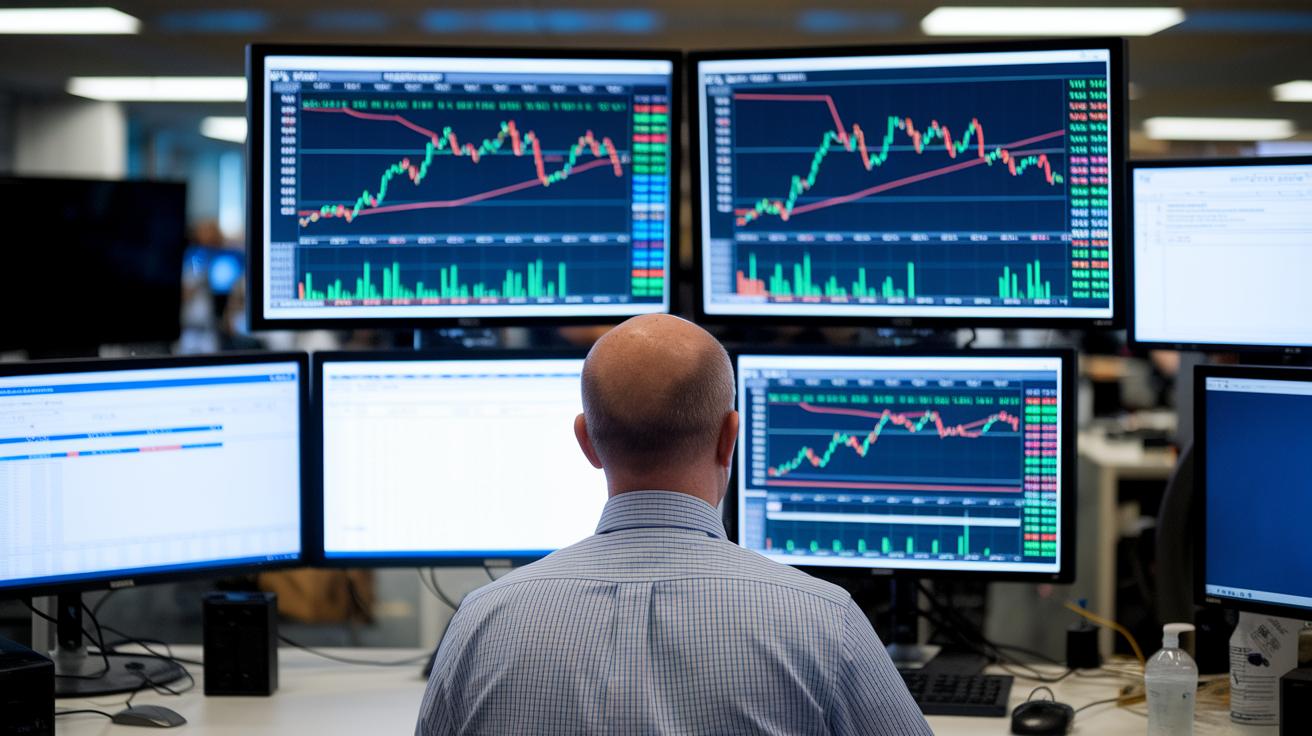
Investors rely on stock screeners to catch early market movers and adjust quickly to news. A strong pre-market screener displays top gainers, top losers, and the busiest stocks even before regular trading starts. For example, you might see an alert like “Early surge: Stock ABC jumps by 7% at 7:45 am,” which could influence your trading decisions.
After trading hours, a post-market screener collects feedback from company news and end-of-day trends. These tools track key numbers so you can see which stocks have moved significantly once the main session closes. A sample alert might say, “After-hours drop: Company XYZ sees a 5% decline post-announcement,” offering a clear look at market mood.
Live market screeners are equally important because they give you real-time updates on price changes. They help you stay on top of daily market news, whether it’s major pre-market moves or after-hours corporate updates. With these tools, you can set alerts and react quickly when sudden events impact stock prices, turning market shifts into possible opportunities.
Building and Saving Custom Stock Screens
Creating a custom stock screen is both easy and practical. Start by picking the filters that interest you, like market cap ranges, PE ratios, dividend yields, and technical indicators (which are simple tools that help you see when stocks are over- or under-valued). Imagine setting up a screen named "Large-cap, low PE" to quickly find strong companies at attractive prices.
Then, give your screen a name and save it. This way you won’t have to start from scratch every time you need to check the market. Most tools have a clear save button along with a spot to write a quick note, like “Renewable energy strategy,” to remind you why you built the screen.
You can even set your screen to update automatically at regular intervals. That means the latest numbers are always in front of you, say, refreshed every morning before the market opens.
Most screeners also have toggles so you can easily switch filters on or off, tailoring the tool to your unique investing style. This flexibility makes it an excellent, multi-purpose way to track the stocks you care about.
Here's a quick recap:
- Select the filters and set the criteria.
- Name your screen and note down your strategy.
- Schedule automatic refreshes and export your results.
This method gives you a reliable, repeatable workflow to find the right stocks without the hassle.
Comparing Top Stock Market Screener Platforms

When you check out stock market screener platforms, you quickly notice how different tools can guide your investing decisions. Some platforms keep you in the loop with quick daily news alerts, while others include an event calendar that notes IPO dates, earnings calls, and other key happenings. For instance, a paid service might offer both a daily market-news feed and a handy IPO calendar, whereas a free option may only provide basic, real-time quotes.
Many advanced screeners also bring extra features to the table. Some include dedicated modules for ETFs (exchange-traded funds, which are like baskets of stocks) and let you find new IPOs and ETF listings. When you compare these tools, one main decision is whether you want AI insights built from 10 years of data or if you prefer simpler, manual filters. This kind of historical data can be very useful if you like to check long-term trends before making a move.
Pricing models can be very different too. A free stock market screener might limit how many filters you can customize or allow only one saved screen, but a paid subscription often lets you create multiple custom screens, dive into detailed technical analysis, and even unlock exclusive quarterly trends. Here’s a quick rundown:
| Feature | Free Tier | Paid Tier |
|---|---|---|
| Data History | Real-time quotes | Up to 10 years |
| Filter Customization | Limited | Extensive |
| News & Alerts | Basic alerts | Detailed daily news bullet & calendar |
Remember, it all comes down to usability and cost. Do you like having automated AI insights, or do you prefer setting your own filters? Think about what matches your investing style and needs.
Integrating Screeners into Trading and Investment Strategies
Day traders really like using screeners that check volume and price. These handy tools spot stocks that suddenly jump or drop in value, so traders can act fast. You might get an alert like "A surge of 8% driving high volume movement at market open" – a clear sign of a short-term chance.
Swing traders use a similar idea but with tools like moving averages and RSI. These screens help them see when a stock might be shifting from a slow period to a quick pick-up, just like a runner suddenly speeding up mid-race. This mix of technical signals and price movement lets them plan when to buy or sell.
Long-term investors usually rely on fundamental filters like PE ratios and dividend yields. They use these numbers to find companies that are built on a strong base and show steady performance over time.
Many smart investors now blend technical and fundamental screens with trend analysis. This combined method can shape a balanced strategy that fits many different investing styles. For more ideas on mixing these methods, check out how to conduct trend analysis.
Adding News Feeds and Alerts to Your Stock Market Screener

When you mix live market news with smart filters, you get a head start on big market moves. You can set up your own alert rules for price shifts, earnings updates, or insider trades. For example, you might create an alert that sounds off when a stock rises more than 5% after strong earnings, saying, "Alert: Stock XYZ jumps 5% following earnings beat."
Many stock screeners let you use RSS-style news feeds so you see short, clear headlines right on your dashboard. Imagine a dynamic banner popping up as soon as breaking news hits about a company on your list. These on-screen alerts make it easier to react fast to market changes.
By combining a market news filter with other criteria, you build a screening tool that stays current. This way, your stock market screener becomes a smart assistant that not only finds stocks but also keeps you updated with timely alerts on news and market events.
Final Words
In the action, we explored how a stock market screener works, filtering thousands of stocks using core fundamentals and technical signals. We broke down key criteria like market cap and dividend yield, then addressed more advanced tools, such as thematic screens and live market alerts. We also looked at building custom screens and comparing top platforms for smarter trades. This comprehensive look shows that smart screening can help manage risk while catching timely opportunities. Use a trusted stock market screener to guide your investment decisions confidently.
FAQ
What does TradingView and its screener offer?
TradingView serves as an interactive charting platform, while its screener lets investors filter stocks using technical and fundamental criteria to spot trading opportunities.
How does Yahoo Finance function as a stock screener?
Yahoo Finance features a free stock screener that gathers market data and basic filters to help beginners track trends and identify potential investments with ease.
What benefits does Finviz provide as a stock screener?
Finviz offers a screening tool with advanced filters and visuals that allow investors to quickly sort stocks by market cap, valuation ratios, and technical indicators.
How is Morningstar’s stock screener different from other platforms?
Morningstar’s stock screener emphasizes detailed financial research and fundamental analysis, providing quality metrics and deep insights for long-term investment planning.
Which stock screener is considered the best and is it free?
The best stock screener depends on individual needs. Many free platforms offer useful insights, while premium options deliver extra analytics for more detailed market assessments.