
Have you ever thought that buying a small part of a company might change your financial future? Think of the stock market as a busy marketplace where investors feel a company’s ups and downs together. It’s a mix of risk and reward. Companies get the money they need to grow while investors have a chance to build wealth step by step. In this article, we break down how these markets work and why their steady beat matters to both experienced investors and curious newcomers. Let’s take a closer look and make sense of it all.
Equity Market Fundamentals Overview
Equity markets are like busy marketplaces where people buy a small piece of a company. When you purchase shares, you’re not dealing with just a piece of paper or a digital record. Instead, you gain a stake that connects your financial future with a company’s ups and downs. Companies use these markets to gather funds for growth and innovation. Think about it: owning shares means you share in the success and occasional struggles of well-known businesses.
Big players like the New York Stock Exchange and Nasdaq are essential to keeping this system running. When companies decide to go public with an initial public offering (IPO), they raise the money they need to expand. And with over-the-counter trading, there’s even more flexibility in how investors get involved.
Here’s how equity markets work:
| What It Does | Why It Matters |
|---|---|
| Price Discovery | Supply and demand meet to settle on a fair price. |
| Liquidity | Buyers and sellers can trade assets quickly when needed. |
| Capital Formation | Companies get crucial funds to help stimulate growth. |
| Risk Distribution | The risk of investments is spread among many people. |
| Performance Benchmarking | Indexes like the S&P 500 and DJIA help track market trends. |
Over time, many investors build long-term wealth through equity markets, despite the natural ups and downs. It’s a mix of steady growth and short-term shifts, an exciting blend of opportunity and caution. Have you ever felt that blend of excitement and caution when watching your investments grow? That’s the heartbeat of equity markets, inviting both the seasoned investor and the curious newcomer.
Equity Market Order Execution and Matching
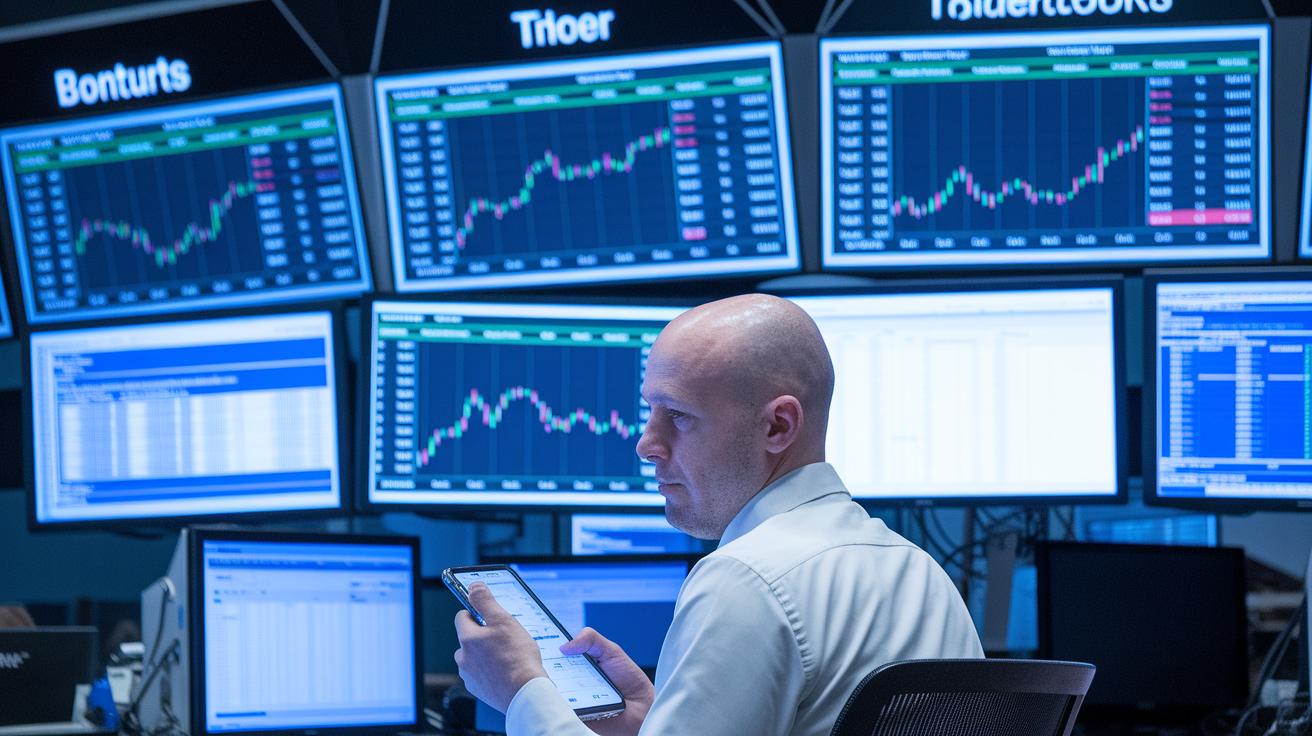
Brokers are the friendly bridge connecting investors to the lively trading floor. They take your order and help make trades happen smoothly. For example, if you send a market order, it jumps into action right away at the best available price. But if you prefer setting a specific price, a limit order will only go through once that price is reached. And then there are stop orders, which kick in a market order when your set price is hit, plus stop-limit orders that combine the two ideas. Modern trading platforms (like https://tradewiselly.com?p=614) use technology to make sure your order reaches the right place, keeping things running with ease.
The order book is like a big bulletin board filled with active buy and sell offers. On one side, you'll see bids and on the other, asks. When these prices line up, the matching engine pairs them up without delay, giving you a clear snapshot of market pricing.
| Order Type | Definition | Execution Condition |
|---|---|---|
| Market Order | Order to buy or sell immediately at the best current price. | Executes as soon as there’s an available bid or ask. |
| Limit Order | Order with a specific price target. | Executes only when the market hits that set price. |
| Stop Order | Order that turns into a market order once the stop price is reached. | Triggers when the market touches the stop price. |
| Stop-Limit Order | Order that combines a stop order with a limit order. | Starts a limit order when the stop price is reached. |
Trades done over-the-counter are matched directly between trading parties, so they skip the big, central exchanges. Plus, smart order routing checks several venues at once to lock in the best prices available. This means that whether you're dealing with centralized or decentralized trades, you get competitive rates and speedy execution. It’s all about keeping the market active, clear, and fair.
Equity Market Liquidity and Price Formation
Liquidity in equity markets is all about how quickly shares are bought and sold. We look at the number of shares that change hands, the count of market players, and just how close the buying and selling prices are. A deep liquidity pool means you can place big orders without causing a market stir. Market makers and high-frequency traders help a lot by constantly posting buy and sell quotes, which keeps those spreads tight and the market stable. Have you ever felt reassured by a lively order book knowing your trade will go through smoothly?
Bid-ask spreads give us a clear snapshot of transaction costs and market depth. When these spreads are narrow, it shows strong competition, meaning trading costs stay lower. This usually means buyers and sellers are actively trading and the market can easily handle new orders. In truth, this setup benefits everyone, from retail investors to big institutions looking to make hefty trades without hiccups.
Price discovery is at the core of the trading process. It happens in real time when buy and sell orders meet. The price from the most recent trade often sets the tone for the market indexes we see. And when you have large trades or short-lived imbalances, you might see noticeable shifts in price that reflect the current market mood.
how do equity markets work – Dynamic Market Clarity

The SEC and FINRA are like the friendly referees of the trading world. They set clear, strict rules to make sure everyone plays fair. For instance, they step in to stop any sneaky moves like trading on insider information. It’s a bit like having a trusted umpire ensuring the game stays honest.
Sometimes, traders try to bend the rules in ways that can hurt everyone’s trust in the market. Front-running is when someone uses order details for their own benefit before a trade finalizes. And then there’s spoofing, placing fake orders to mislead others about the true demand. There’s also wash trading, where trades are done in a circle just to create a false buzz. These tricks can mess up stock prices and shake investor confidence. It really shows why keeping a close watch is so important.
When the market gets too wild, things like circuit breakers jump in. These stops kick in when the S&P 500 drops by 7%, 13%, or even 20%, giving everyone a chance to regroup. On top of that, price limit rules cap the daily swing of a stock’s price, helping to keep rapid moves in check.
Equity Market Primary and Secondary Operations
In the primary market, companies raise new money by offering shares through methods like IPOs, direct listings, or follow-on offerings. When a company goes for an IPO, it works closely with underwriters who help set a fair share price and organize roadshows that introduce the company to potential investors. This process brings in fresh cash for growth and sets the company’s initial market price. Underwriters check the market conditions to make sure the deal meets both the company’s funding needs and what investors are looking for.
ECM teams manage these big capital-raising deals. They handle everything from structuring the deal and setting the right price to preparing investor presentations that tell a clear growth story. Their support is key in helping a company make a strong entrance into the market.
Once a company’s shares are available for trading in the secondary market, the action shifts to ongoing buying and selling. Investors trade shares on exchanges or over-the-counter, which keeps the market active and ensures that share prices are constantly updated based on real-time sentiment. This lively trading environment lets investors change their positions as they reassess a company’s performance and future prospects.
Equity Market Participant Roles and Functions
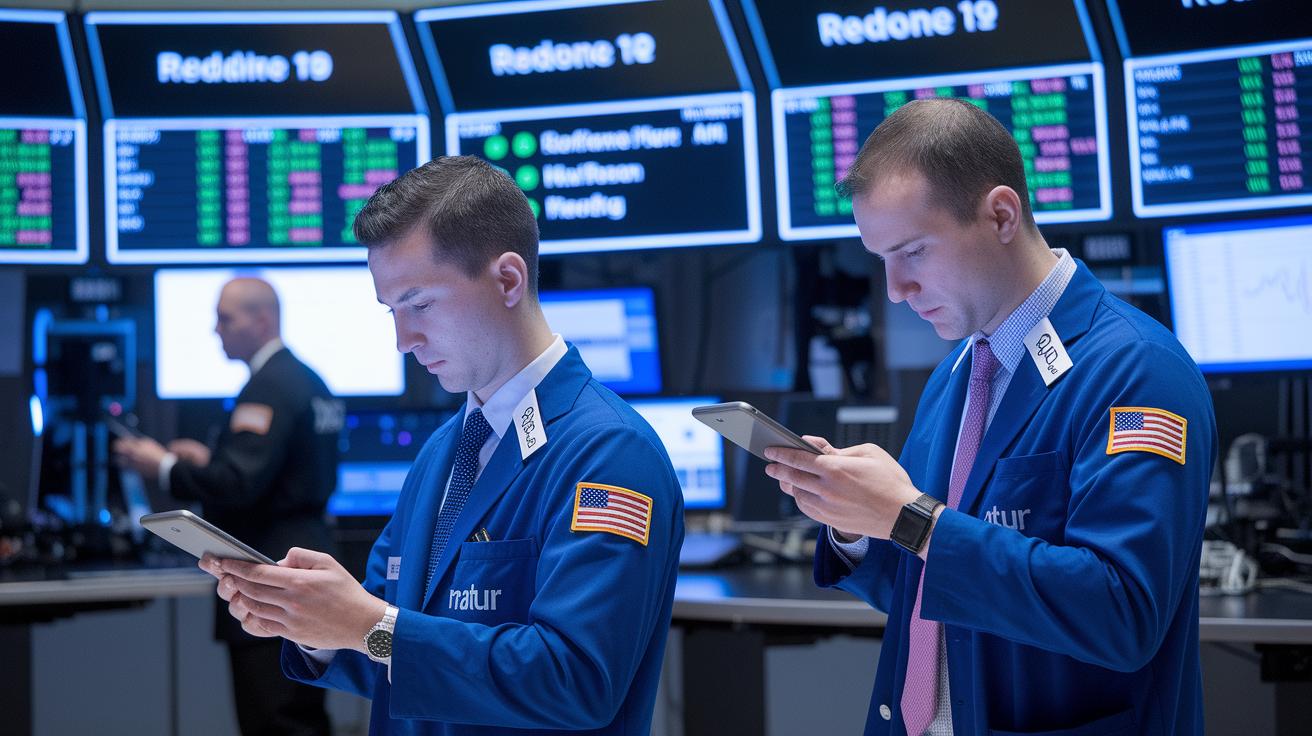
Buy-side firms, like mutual funds and pension plans, are the investors who put money into securities hoping to earn returns over time. On the other hand, sell-side firms, such as investment banks and brokers, help make these deals happen by linking buyers and sellers. This teamwork keeps the equity market lively, with the buy-side setting the investment pace and the sell-side ensuring trades go through smoothly.
Brokers act as connectors by linking retail traders, hedge funds, and big institutions to trading platforms. They work hard to get the best deal for each order and earn fees or commissions along the way. Meanwhile, market makers constantly show both buy and sell prices, filling the gaps between supply and demand. Imagine watching a screen update with bid prices every few seconds, that steady rhythm is what keeps market activity steady.
Insider trading rules stop company insiders or anyone with secret information from gaining an unfair advantage. Surveillance tools keep a close eye on trading activity, much like a referee making sure everyone plays by the rules. These measures ensure that the market stays fair and balanced for all investors.
Equity Market Electronic Trading and Innovations
Online brokerage platforms and electronic communication networks (ECNs) have changed the way we trade. Instead of meeting on crowded trading floors, traders now use digital screens to watch live market prices. Picture checking out a clean, easy-to-read dashboard where prices update right away, it's a far cry from the old chaotic trading pits.
Modern trading also uses clever tools like algorithmic execution strategies such as VWAP (Volume Weighted Average Price, which breaks large orders into smaller chunks) and TWAP (Time Weighted Average Price, which spreads orders evenly over time). These tools help reduce the impact on the market by splitting up big trades. Alongside these, smart order routing systems quietly work in the background, checking several trading venues, even hidden ones called dark pools, where large trades can be made without disturbing market prices, to secure the best deal possible.
High-frequency trading brings an extra burst of energy to the market. Trades fly by so fast that prices can change almost instantly. And with dark-pool trading, large orders are handled discreetly, giving them less impact on overall prices. On top of that, new instruments like active ETFs, which use advanced analytics and technical analysis (using charts and data to predict price movements), are reshaping how the market works. All of these innovations show just how deeply technology has woven itself into the fabric of equity trading.
Final Words
In the action, we explored the nuts and bolts of equity markets, from how companies list shares and raise cash to the real-time process of matching orders and forming prices. We touched on electronic trading, market oversight, participants’ roles, and the blend of primary and secondary operations. Each piece paints a clear picture of market dynamics, helping you grasp how do equity markets work. Stay engaged and keep your focus; there's always a bright side in every market movement.
FAQ
How do equity markets work for beginners?
The equity market works as a platform where investors buy and sell shares, representing ownership in companies, which helps firms raise money while offering individuals a chance to build wealth through trading.
What types of equity markets exist?
The equity market includes primary markets, where companies issue new shares through offerings, and secondary markets, where investors trade already‑issued shares. This structure provides both capital formation and liquidity.
Can you give an equity market example?
An equity market example is the New York Stock Exchange, where companies list their shares and investors trade them, ensuring price discovery and efficient capital flow.
Why is the equity market important?
The equity market is key because it helps companies raise money for growth and gives investors the chance to participate in economic progress while spreading risk across different ownership stakes.
What is the difference between an equity market and a stock market?
The equity market and the stock market refer to the same system where shares of companies are bought and sold, making them interchangeable terms in everyday financial discussions.
What does the 7% rule in stocks mean?
The 7% rule in stocks is a guideline that suggests an annual return around 7% may be a decent benchmark for long‑term, stable growth, although actual returns can vary widely based on market conditions.
Can I really make $1000 per day from trading?
Making $1000 per day from trading is challenging and uncommon for most beginners. It requires advanced skills, strict risk management, and sometimes significant starting capital, so results can vary.
Who owns 88% of the stock market?
The claim that 88% of the stock market is owned refers to large institutional investors and major index funds, which dominate many holdings in public companies, reflecting their significant market presence.
What is a stock exchange?
A stock exchange is a regulated platform where shares are listed and traded. It serves as the meeting point for buyers and sellers, ensuring transparency and fair pricing for traded securities.
What is an investment association?
An investment association is a group that brings together investors and financial professionals to share insights, provide education, and support smart investment decisions in the marketplace.
What does trade mean in the capital market?
In the capital market, trade refers to the buying and selling of securities, which drives the process of price discovery and provides liquidity for both companies and investors.
What is a capital market?
A capital market is where long‑term funds are raised and invested through instruments like stocks and bonds. It connects companies seeking capital with investors looking for growth opportunities.