
Ever wonder if your money can work on its own? Passive investing is a straightforward way to let your savings grow slowly, kind of like taking a road trip where every mile brings you one step closer to your destination.
This article walks you through simple steps to build a portfolio that works quietly while you go about your day. It’s like setting up your savings on autopilot. Have you ever enjoyed watching something grow without having to constantly check on it?
Let’s explore how a hands-off approach can lead to steady gains and a brighter financial future.
Passive Investing Roadmap: How to Start Earning Passively
Passive investing is all about taking a long-term approach. You choose assets like index funds, ETFs, or retirement accounts and let them grow naturally over the years. This means you’re not glued to the market every day, cutting down on fees and keeping things simple while you work toward your financial goals.
Start by figuring out what you want to achieve and how long you plan to invest. It’s a bit like planning a road trip, when you know your destination, every twist and turn makes sense. Have you ever thought about where you really want your money to take you? Maybe it's saving for retirement, a big purchase, or setting aside funds for college.
Here’s an easy five-step plan to get you going:
-
Define your goals and timeline.
(Think about whether you’re planning for retirement, a major purchase, or future savings like college tuition.) -
Choose your passive investment vehicles.
(Decide if index funds, ETFs, or specific retirement accounts match your style.) -
Set up your asset mix.
(Imagine it like preparing a balanced meal, you want just the right blend of stocks, bonds, and other assets.) -
Automate your contributions.
(Arrange monthly transfers so your investing happens on its own, like clockwork.) -
Review your portfolio periodically.
(Check in annually or whenever your asset mix shifts to make sure you're still on track.)
Following these steps gives you a clear, hands-off roadmap to build your portfolio over time. It’s a friendly, cost-effective way to invest without the constant stress of daily market moves.
Passive Investing Principles: Why a Hands-Off Approach Works

When it comes to building a balanced portfolio, taking a relaxed, long-term view can really work in your favor. We believe in a hands-off approach because it cuts down on fees and helps avoid those snap decisions that can hurt your investments.
Over many decades, the market has shown a steady rise. In plain terms, history tells us that low-turnover strategies, like sticking with broad market indexes, help smooth out wild ups and downs. This means you're less likely to make costly mistakes driven by short-term emotions.
Our roadmap for passive investing is simple: reduce fees, set up automatic contributions, and keep your eyes on long-term growth. It's like setting up a garden and letting nature do the work. Here are the five key ideas that make this strategy strong:
| Key Principle | Description |
|---|---|
| Market Tracking | Investing in broad index funds or ETFs that mirror the overall market movement. |
| Diversification | Spreading your investments across various sectors and asset types to lower risk. |
| Low Expense Ratios | Picking funds with low fees, which means more of your money stays invested. |
| Long-Term Horizon | Keeping your investments for many years and making minimal trades. |
| Automation | Setting up automatic deposits and rebalancing to keep your portfolio on track. |
This method might seem quiet, but it lets your investments grow gradually and steadily over time. And isn’t it nice not to sweat every market flicker? It’s a straightforward, smart way to build wealth without getting caught up in the stress of day-to-day market swings.
Passive Investing Vehicles: Selecting Index Funds and ETFs
If you’re putting together a low-cost, straightforward portfolio, you’ll usually compare index funds and ETFs. Both work by pooling money from many investors to follow market indexes, giving you built-in diversification. But they differ when it comes to trading. Index funds only process buys and sells once a day when the net asset value is set, while ETFs trade all day like regular stocks. Fun fact: ETFs can be bought and sold during market hours, so you can react to market changes on the same day you decide to invest.
Cost is another big factor. Both typically come with expense ratios ranging from 0.03% to 0.20%, but the minimum investment can vary. Index funds often require a larger starting amount, usually over $1,000. In contrast, ETFs let you begin with a much smaller sum, sometimes as little as $0 to $500. This makes ETFs especially attractive if you’re working with limited funds or if you like the idea of trading more flexibly. On top of that, ETFs are usually more tax efficient than mutual index funds, which means you might keep more of your earnings over time.
| Feature | Index Funds | ETFs |
|---|---|---|
| Trading Frequency | Trades once daily at end-of-day NAV | Trades throughout the day like stocks |
| Expense Ratio Range | 0.03% – 0.20% | 0.03% – 0.20% |
| Minimum Investment | $1,000 or more | $0 – $500 |
| Tax Efficiency | Standard | Greater tax efficiency |
Choosing between index funds and ETFs really comes down to what fits your financial goals and investing style. It’s like laying a strong foundation for a smart, passive investing strategy.
Automating Passive Investing: Setting Up Accounts and Tools
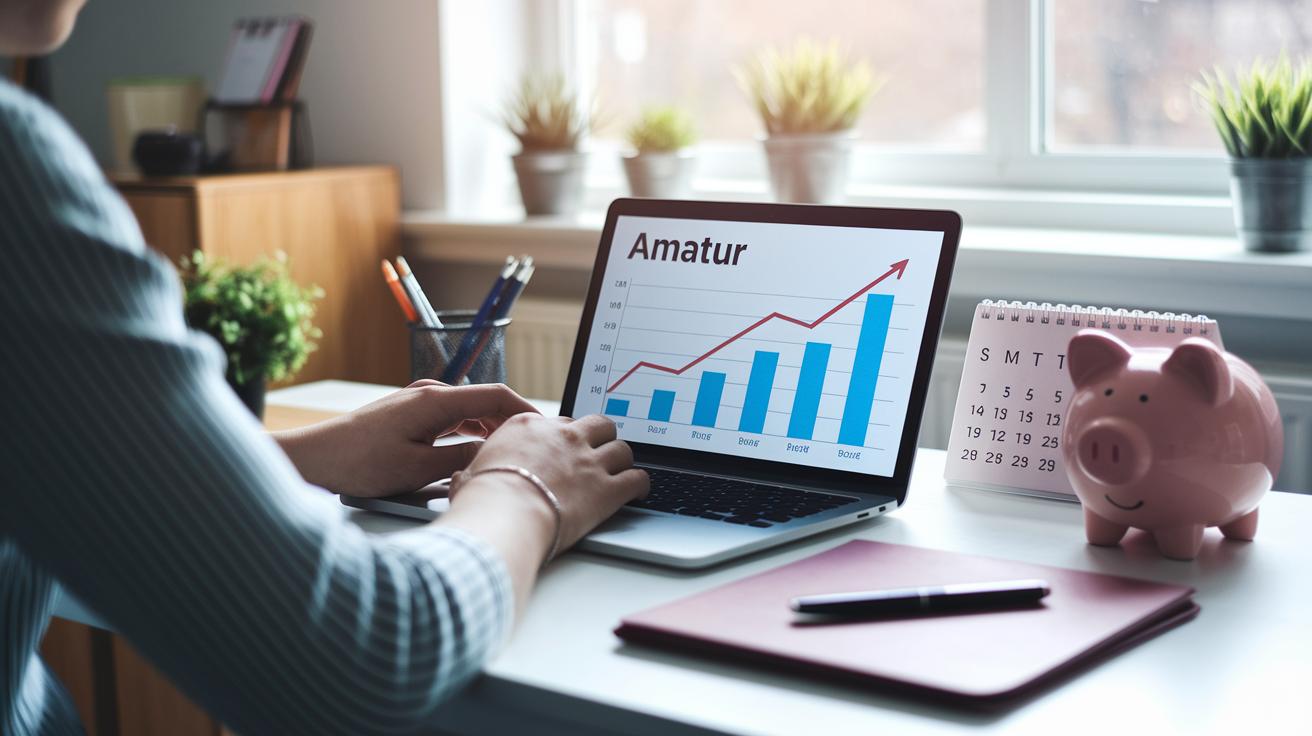
Automating your investments is a lot like putting your savings on autopilot. You don’t have to watch every tick in the market because digital wealth tools keep everything running smoothly. Robo-advisors, basically smart computer programs that build your portfolio based on how much risk you’re okay with, will adjust your mix of stocks and bonds when things shift. It’s like having a calendar reminder that rebalances your portfolio without you lifting a finger.
Setting up scheduled transfers from your checking account to your investment or retirement accounts makes sticking to your plan feel almost effortless. Think of it as setting an alarm; once it’s on, you can trust that your money goes where it’s supposed to, month after month.
These digital platforms don’t just move money around. They can also perform tasks like tax-loss harvesting, which helps lower your tax bill by selling losing investments to offset gains. And with fees usually between 0.25% and 0.50% per year, it’s a small trade-off for a strategy that requires hardly any daily effort.
Isn’t it freeing to know that you’re not stressing over every market fluctuation? With automation in play, your portfolio updates on its own, letting you focus on the bigger picture of your long-term financial goals.
Diversified Passive Investing: Crafting a Balanced Portfolio
Imagine building your investment mix like you’re putting together a balanced meal. A common plan is to assign about 60% to stocks and 40% to bonds. You might think of the stock part as including both local and global choices, while the bond portion comes from government and corporate bond funds. This approach helps keep the ups and downs in check and follows the overall market’s rhythm.
By combining different asset types and spreading investments worldwide, you lessen the blow if one area stumbles. Ever thought of your portfolio as a mix where every ingredient has its own role? When one part loses steam, another can keep the whole mix tasting just right.
Equity vs. Bond Allocation
Your split between stocks and bonds usually mirrors how much risk you’re comfortable with and your long-term plans. A 60/40 mix is often a good start for those who want steady growth without wild swings. If you’re younger and have plenty of time, you might favor more stocks for bigger gains, even if it means taking on more risk. But if you’re after a gentler ride or nearing your financial targets, shifting more into bonds can help keep things steady.
Domestic vs. International Exposure
When it comes to stocks, it’s wise to mix local favorites with international ones. Local stocks offer a sense of comfort and reliability, while international stocks can open the door to fresh growth and more ways to diversify. The best mix depends on how at ease you feel with global ups and downs compared to sticking closer to home. It’s a bit like choosing between your go-to local dish and a dash of international spice to brighten up your meal.
Passive Investing Maintenance: Monitoring and Rebalancing

Passive portfolios are set up to grow steadily, but even a “set-and-forget” strategy sometimes needs a little fine-tuning. One smart move is periodic rebalancing, where you check if your investments have moved away from your planned mix. For example, if stocks now make up 65% of your portfolio instead of your target 60%, it’s a sign you might need to adjust. This process helps secure your gains and keeps your risk levels within the comfort zone.
You can think of it like this: review your portfolio once a year or anytime the mix drifts by about 5% from your goal. And here’s a bonus, many platforms offer automated triggers so your portfolio can rebalance itself without you having to step in. It’s an easy fix that keeps the long-term plan on track while cutting down on any extra hassle.
Here’s a simple checklist to guide you:
- Look over your current asset mix.
- Compare it to your target percentages.
- Sell the parts that are too heavy.
- Buy more of the parts that are too light.
- Note your changes and schedule your next review.
By sticking to these steps, you keep your portfolio balanced even when market conditions shift, ensuring your passive investing strategy stays on course for long-term success.
Common Passive Investing Pitfalls: Mistakes to Avoid
Even a simple strategy can falter when you slip into common errors. Sometimes, investors pick funds with high fees that slowly eat into their returns. And reacting to every little market move with frequent trading often causes extra costs and exposes you to unnecessary risk. Not spreading your investments out enough might leave you too concentrated in one area, which could hurt your portfolio if that sector stumbles.
Skipping out on automation, like setting up regular contributions or rebalancing your portfolio, can break the easy, hands-off approach that makes passive investing so appealing.
Here are four mistakes to keep an eye on:
- Choosing funds with high fees that diminish your overall growth.
- Overtrading every time the market shows a quick change.
- Forgetting to maintain a mix of different assets for better balance.
- Not automating contributions and regular rebalancing.
Pay attention to lowering fee costs so more of your money stays working for you. Use smart risk management techniques to avoid big ups and downs. Stick to strategies that build wealth steadily over time. Avoiding these pitfalls helps keep passive investing simple and supports long-term financial progress with steady, effortless gains.
Final Words
In the action, the article walked through setting clear goals, picking index funds or ETFs, and even automating your investments. It broke down key principles like market tracking, diversification, and low fees. We also touched on building a balanced portfolio and keeping things low-maintenance with periodic checks. Moving ahead with how to start passive investing can make long-term wealth building feel straightforward and secure. Keep a positive outlook and stay curious as you fine-tune your investment strategies.
FAQ
How can I start passive investing as a beginner with little money from home or even find tips on Reddit?
Starting passive investing as a beginner involves setting clear goals, choosing low-cost, diversified index funds or ETFs, and automating small, regular contributions. Online communities often share these straightforward steps.
What are some ways to generate beginner-level passive income or even earn it with no initial funds?
Generating passive income with no initial funds can start through low-barrier options like dividend reinvestment plans, micro-investing apps, or gradually reinvesting small amounts. Each method steadily builds wealth.
What are examples of passive income?
Examples of passive income include dividends, rental earnings, interest from savings, and gains from automated investments. These sources continue to generate money without daily active effort.
How does one work toward making $1000 a month passively?
Making $1000 a month passively typically requires gradually building investments, reinvesting returns, and using diversified, low-cost index funds or rental properties. Consistent contributions and market growth combine to reach this target.
What is the 7 3 2 rule in investing or budgeting?
The 7 3 2 rule is a rough budgeting guideline whose interpretations vary. Some investors use these ratios to gauge allocations for investments, living costs, and extras, but personal needs should always guide your choices.
What happens if I invest $100 a month for 10 years?
Investing $100 monthly for 10 years can grow steadily with compound interest. Over time, these consistent contributions and reinvested gains can accumulate into a significant nest egg.
How much wealth can be built by investing $1000 a month over 30 years?
Investing $1000 monthly for 30 years may amass significant wealth. Your regular contributions, compounded growth, and disciplined approach contribute to long-term financial stability.