
Have you ever felt that burst of joy when you hear good news? Now imagine that same spark shaking up the stock market. Investors’ moods can push stock prices higher or lower as everyone reacts to positive or not-so-great news.
Next, let’s look at how the overall feeling in the market can steer equity trends. We also see modern tools that track these shifts almost in real time. In truth, understanding these mood swings can help you make smarter choices when investing.
How Market Sentiment Shapes Equity Market Movements
Investor mood plays a huge role in pushing stock prices up and down. When the news is upbeat, like strong economic reports, great company earnings, or positive political events, investors feel good and start buying stocks. But when there’s uncertainty, bad news, or global tensions, people tend to sell off their stocks, causing prices to drop. These moods, seen in public opinions and media stories, show us how the emotions of many investors shape market moves.
Imagine hearing a string of good earnings news that fills everyone with hope. This wave of optimism often brings more people into the market, each buying stocks with the belief that the trend will keep going. On the other hand, when negative news, perhaps about political unrest or weak economic numbers, hits the headlines, investors quickly lose confidence and sell off their holdings. In essence, the market mirrors these shifts in mood rather than just hard economic numbers.
Today, many investors use advanced sentiment analysis to get a feel for the market’s heartbeat. Techniques like public surveys and computerized evaluation tools scan news articles, social media chatter, and financial reports to pick up clues about what might drive price changes in real time.
By keeping an eye on these news-driven shifts, investors can get a better sense of the overall mood and how it affects stock price swings. Isn’t it fascinating how the market isn’t just about numbers, but also about the feelings and reactions of people?
Key Sentiment Indicators and Measurement Techniques in Equity Markets

Modern tech now lets us tap directly into the market's mood. Advanced tools use machine learning and natural language processing to scan news articles, social media posts, and financial reports. They turn all those words into clear numbers, giving traders a quick peek at what people are thinking. For instance, one algorithm read thousands of news reports in minutes and picked up on a growing wave of optimism.
High-frequency mood tracking is another nifty tool. It uses smart filters to catch even tiny shifts in how investors feel throughout the day. So, if there's a burst of positive earnings news or some unexpected global tension, these filters pick up the change right away. In short, they help traders decide when to act quickly by showing if the market is riding a wave of cheer or sinking into doubt.
Investors often use platforms like Google Trends, StockTwits, AlphaSense, and Sentiment Trader to measure these sentiments. For example, check out this quick look at some of the tools:
| Platform | Function |
|---|---|
| Google Trends | Tracks what people search for online |
| StockTwits | Monitors real-time market chatter |
Automated sentiment analysis then ties all these insights into broader trading strategies. This gives investors a lively snapshot of the market's emotions, keeping them in tune with the steady pulse of market activity.
Emotion-Driven Volatility and Price Swings in Equity Markets
We’re taking a closer look at how feelings and market buzz can shake up stock prices. Think back to the dot-com bubble when trading volume shot up because everyone was excited to jump in headfirst. Nowadays, clever computer tools mix mood checks with volatility tests to give us a heads-up when a sudden drop in trading might mean trouble ahead.
These tools go beyond simple market sentiment. They help us spot when too much excitement could lead to a sharp drop or when a quick sell-off might keep pushing prices lower.
| Insight | Market Impact |
|---|---|
| Historic bubble lessons | Big jumps in buying during high excitement |
| Smart mood-check tools | Spot sudden falls and predict quick price drops |
Behavioral Finance Models Explaining Sentiment Effects on Equities

Back in 1985, researchers dug into data from as far back as 1933 and found a surprising twist: stocks that had the worst returns over a five-year span eventually outperformed those earlier high-flyers. This tells us that investors sometimes get swept up in a wave of panic when bad news hits, and they don't always cheer enough when good news comes along. Think about it, maybe you've seen a stock tumble after a bad earnings report, only to later recover and beat expectations.
Behavioral finance helps us understand these price swings by pointing out common mistakes we all make. Often, investors join the crowd instead of trusting their own gut feelings, a bit like when everyone rushes to sell based on mere rumors, only for the stock to bounce back once the excitement fades. There's also the trick of anchoring, where traders cling to old price points even when new information should really change their view.
To get a handle on these investor sentiments, many experts turn to sentiment indexes and surveys that try to capture shifts in mood and gauge how far prices drift from their real worth. These tools let researchers and market watchers get a feel for potential market moves. Still, some experts are cautious, wondering if these models truly predict what will happen time and again. The debate goes on, much like when you wonder if that one study really explains all about market quirks.
Ultimately, recognizing these common biases can help traders ease their knee-jerk reactions. By keeping a cool head in the midst of market swings, you might find it easier to make balanced decisions, even when the market feels like it's on a roller coaster.
Market sentiment influence on equity markets: Bright Outlook
Traders today mix up sentiment scores with technical signals to decide when to enter or exit a trade. They look at real-time market mood along with things like RSI divergences (a way to spot when prices might change direction) to see if a trend is about to shift. For instance, one trader mentioned, "When automated tools show rising optimism even as the RSI drops, it might be a great chance to buy." This approach shows how adding a layer of mood tracking can deepen the insight you get from standard chart studies. Check out Technical Analysis for Trading for more tips on combining these methods.
Using computer-driven sentiment analysis together with chart patterns can reveal short-term reversals and help manage risk better. Smart strategies depend on solid, high-quality data and trustworthy algorithms that have been tested against past price moves. In simple terms, traders often use tools that follow social media buzz and news stories, blending that information with strategies based on price momentum. One trader even shared, "Mixing sentiment with chart signals really improved my risk management."
Here are some practical steps to consider:
- Look at RSI divergences while keeping an eye on sudden spikes in sentiment.
- Watch for momentum signals to perfect the timing of your trades.
- Compare current sentiment readings to historical price patterns to get a clearer picture.
These approaches give you a more lively way to see how shifts in market mood connect with traditional technical signals. By pairing data-driven mood forecasts with detailed chart studies, traders can react quickly and make smart, calculated moves in a constantly changing market, all while keeping risk in check.
Market sentiment influence on equity markets: Bright Outlook
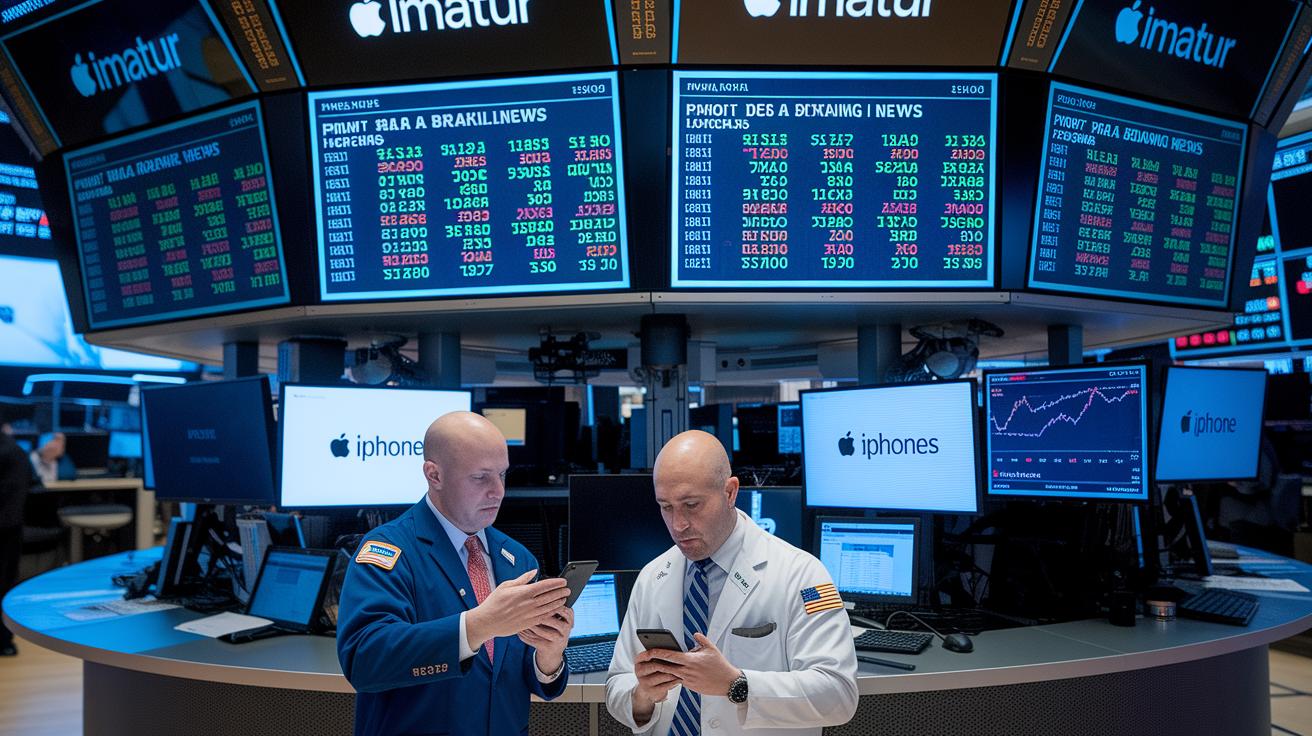
Big news can shake up stock prices in an instant. When a surprise earnings report lands, traders quickly jump on the bandwagon, and prices can climb within minutes. One trader mentioned, "The moment the headline dropped, trading volumes spiked and prices shot up." It’s a clear sign that media tone can spark rapid market moves.
Different parts of the market react in their own way. Stable sectors like consumer staples and healthcare often stay calm when negative news hits. But areas such as technology and consumer discretionary tend to jump when economic signs are positive. For example, a burst of upbeat product launch news set off a rally in tech stocks, showing just how powerful social buzz can be in driving prices.
Here are a few market moves to think about:
- Economic news reaction: A geopolitical event can trigger a rush to sell, boosting trade volumes quickly.
- Media sentiment effects: When a hot IPO gets glowing coverage, it often leads to oversubscription and high initial prices.
- Social buzz influence: Excitement on social platforms about tech stocks can lead to fast gains during the day.
These examples show how investor feelings, stirred by media and global events, directly influence how stocks move and why trade volumes can skyrocket in a short amount of time.
Final Words
In the action, we broke down how investor moods can steer stock price changes through news, technical signals, and behavioral biases. Small adjustments in sentiment can spark big moves in equity markets, affecting both buying and selling decisions. We also explored how blending data-driven sentiment with chart studies can fine-tune risk management and entry points. Market sentiment influence on equity markets reminds us of the power of emotions in trading, leaving us optimistic about smarter, more informed investment choices.
FAQ
What does a PDF on market sentiment influence include, and what are some examples?
A PDF on market sentiment influence explains how investor moods drive price swings and includes examples showing how market reactions follow economic news and corporate events.
Where can I find today’s market sentiment data and resources online?
Today’s market sentiment can be tracked using financial websites and analysis tools that display real-time investor moods, news trends, and social media indicators.
What do market sentiment indicators mean and how are they analyzed?
Market sentiment indicators reveal the overall mood of investors by evaluating news coverage and social media. They’re analyzed through surveys and automated tools converting text into real-time scores.
How does market sentiment affect the stock market?
Market sentiment affects the stock market by influencing investor decisions; positive moods drive buying and rising prices, while negative moods trigger selling and lower prices.
Is market sentiment bullish or bearish?
Market sentiment can be bullish when optimism is high or bearish when pessimism rules, providing clues about potential market directions based on collective investor moods.
Does consumer sentiment affect the stock market?
Consumer sentiment shapes stock performance by impacting spending habits; a positive outlook boosts confidence and activity, while a negative mood can slow market movements.
What does the 7% rule in stock trading signify?
The 7% rule suggests that a roughly 7% price change acts as a threshold, signaling potential exit points or adjustments in trading strategies.