
Ever wonder if your business plan might be missing some hidden signals? In our latest review of trend analysis, we take a close look at how tracking numbers over time can show you the ups and downs of your business. It’s a bit like checking the weather before you head out; knowing what might come can help you make smarter moves. Read on to see how this clear and simple method can boost your performance, guide your choices, and turn raw data into a solid plan for success in any situation.
Fundamentals of Trend Analysis for Performance Measurement
Trend analysis is a way to gather data over different time periods and see patterns as they occur. Think of it like keeping a record of your monthly sales to spot any seasonal ups and downs. By looking at past numbers, we can make smarter decisions about what steps to take next.
When you dive into trend analysis, it can help you:
- Notice recurring patterns that mirror regular business cycles.
- Compare results over time to see where things improved or fell short.
- Spot trends in your financial records that highlight your business strengths.
- Use past data to get a rough idea of what might happen in the future.
- Make clear, long-term plans based on what the numbers tell you.
Of course, trend analysis isn't a magic bullet. Sometimes, past trends won't predict the future because market conditions, customer habits, or unexpected events can change the game. That’s why it’s important to keep your key financial numbers updated and in check. This way, you’re always working with the most current picture of your business.
Defining Key Performance Indicators for Trend Analysis

Picking the right numbers to watch is key for understanding how your business is doing. When you select the proper KPIs, you can easily see your company’s progress and spot areas that might need a little extra attention. Metrics like operating profit, cash flow, and the debt-to-equity ratio help paint a clear picture of your financial health, so choosing the right ones really matters.
| KPI Name | Definition | Reporting Period |
|---|---|---|
| Gross Profit Margin | Shows the percentage of revenue left after paying for goods sold | Monthly/Quarterly |
| Quick Ratio | Measures how easily a company can pay short-term bills with its liquid assets | Quarterly |
| Operating Profit | Reflects earnings from everyday business after covering operating costs | Monthly/Quarterly |
| Receivables Turnover | Shows how quickly a company collects money from customers | Monthly/Annually |
| Return on Assets | Indicates how well a company uses its assets to make a profit | Quarterly/Yearly |
Matching your KPIs with your business goals is just as important as picking them. When the metrics you track fit with what you’re aiming for, it becomes easier to see what’s driving success and where things might be off track. It’s a smart move to review these numbers every now and then, especially when market trends or internal plans change. This way, you can keep your performance tracking in tune with your strategy and make better decisions along the way.
Collecting and Preparing Time-Series Data for Accurate Trend Analysis
When it comes to building a clear picture of your company’s financial performance, everything starts with gathering good data. Think of your general ledger, P&L statements, balance sheets, income statements, and cash flow statements as the essential ingredients. These documents give you the raw numbers you need for spotting trends over time. Sure, you might run into hiccups like different accounting systems not syncing or manual errors that throw off the numbers, but bringing all these pieces together creates a solid timeline of your business’s progress.
Once you’ve pulled your data together, the next step is making sure it’s clean and consistent. Doing quality checks and automating parts of the process saves you time and cuts down on mistakes. This systematic approach not only reduces errors but also sets you up for smart, data-driven decisions. Here’s how you can streamline the process:
- Extract the data from all your key financial documents.
- Clean it up by removing duplicate or wrong entries.
- Normalize the data so everything matches a common format or scale.
- Combine different datasets into one unified system.
- Check carefully to ensure consistency and accuracy.
- Automate these steps for regular updates and monitoring.
Taking these steps makes your trend analysis more reliable and effective, giving you a clear, dependable foundation to drive performance improvements.
Visualizing Performance Trends with Analytical Toolsets
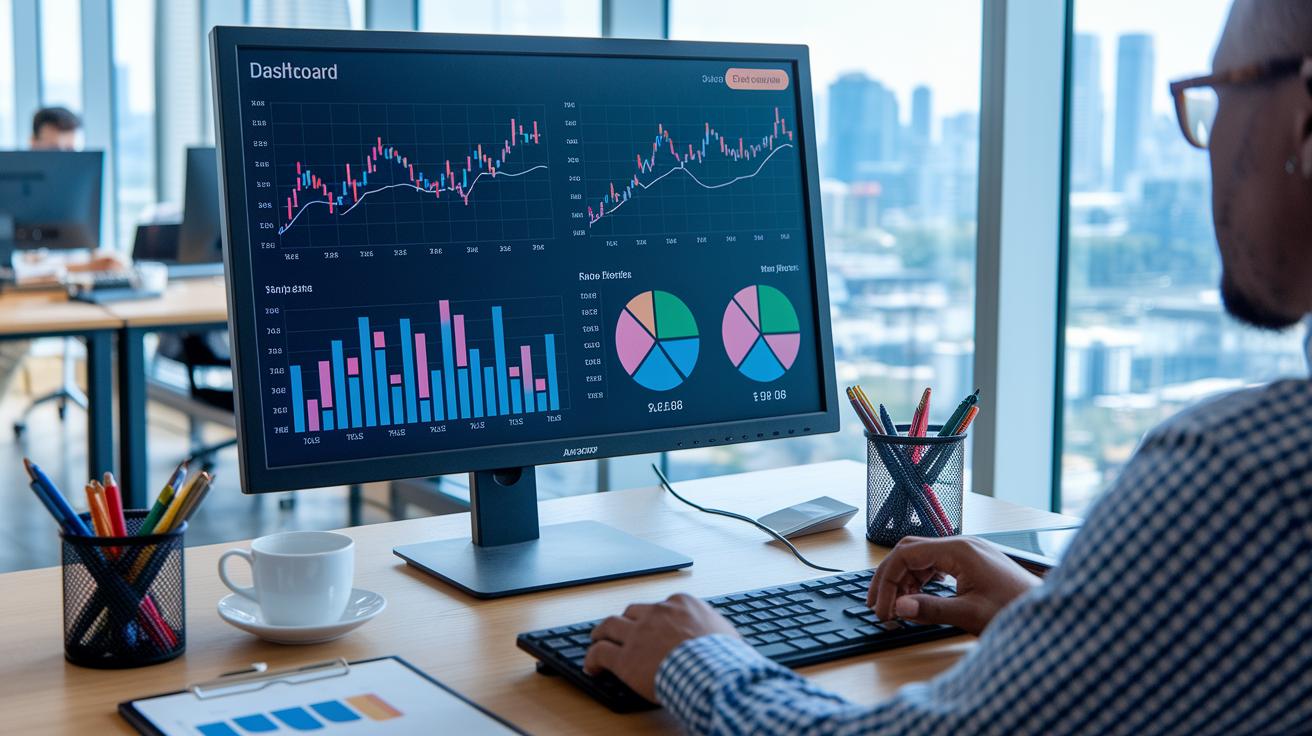
When you're looking at performance numbers, different charts let you see your data in new ways. A line chart shows how things change over days or months, a bar chart helps you compare numbers easily, and a heatmap uses darker colors to highlight busy spots, like a colorful guide to your business progress.
Advanced dashboards make this even better. They update information on the spot and let you click on a data point to dig a little deeper. With interactive charts and built-in insights, you can notice small shifts and adjust your approach quickly. It’s like having a friendly chat with your performance data.
The best part is picking a tool that plays well with your current setup. When your charts connect seamlessly with your accounting and reporting systems, everything fits together, making it easier to compare numbers and stay ahead of market changes.
Measuring Performance with Trend Analysis: Boost Results
Trend analysis is all about looking at your past numbers to guess what might happen next. By checking out financial statements and key performance indicators (or KPIs, which are simple measures of success), you get a clearer picture of your business trends. Still, keep in mind that changes in seasons, a few technical glitches, or a sudden market shift can mess with these predictions. Sometimes a dip in sales might just be a temporary snag, not a sign of long-term trouble.
Simple Moving Averages
This method simply averages your numbers over a set period, which helps smooth out any wild swings. For example, looking at the average sales for the past three months can reveal a more steady trend, kind of like watching a calm river after a brief storm.
Linear Regression Models
Here, you draw a straight line through your data points to see the overall direction of your business. The slope of the line shows how fast your numbers are changing, and the starting point serves as a base reference. Think of it like plotting your monthly revenue on a graph and tracing a line through it to get a sense of steady growth.
ARIMA Time Series Models
ARIMA stands for Auto-Regressive Integrated Moving Average. In simple terms, this method digs into past values and their differences to capture more complex patterns, even when the trends aren’t obvious. Picture using ARIMA to predict your cash flow by noticing both regular cycles and unexpected twists.
When choosing the right forecasting method, it’s important to pick one that fits your business scenario. Check your model against old data regularly, adjust the timing settings if needed, and tweak it when you spot unusual trends. This careful, hands-on approach sets you up for more reliable forecasts and better decisions to boost your performance.
Case Study: Measuring Business Performance Using Trend Analysis

A payments automation service, trusted by over 100,000 businesses, made trend analysis a core part of its daily work. They kept a close eye on their financial health and stayed ready for any market changes. They zeroed in on key areas like tracking expenses, boosting revenue, and monitoring customer growth. By using trend analysis, they got clear snapshots of how things were running, which set the stage for smart, data-driven decisions across their network.
The company tracked important data over an entire 12-month period. They watched monthly cash flow numbers, customer churn, and the time it took to process invoices. They compared historical figures to spot trends and even predicted future results. For example, their detailed review pointed to a 5% improvement in efficiency and an 8% increase in revenue. They also used real-time dashboards that let management notice shifts quickly and adjust pricing and resource allocation on the fly.
This case study shows how trend analysis can lead to real improvements. By blending past numbers with current data, the service fine-tuned its processes, shortened billing delays, and stabilized revenue flows. The end result was a more agile business model, one that used past performance to predict challenges and seize new opportunities, making the company more resilient and competitive.
Best Practices and Pitfalls in Performance Trend Analysis
Getting your trend analysis right starts with good habits. When you use tools to track expenses automatically and bring all your data together, you can build a clear picture of your performance. This means you can easily compare today’s numbers with those from the past. For example, an auto-updating system helps cut down on mistakes from manual work and keeps your trends fresh. Simple checks and tests on your data are like safety belts that keep your numbers reliable and help you make smart choices.
On the flip side, a few common mistakes can mess up your view. Often, people lean too much on old data without thinking about changes like seasonal shifts or what competitors are doing. Sometimes, trying too hard to fit your data into a model or missing out on simple error-checking can lead you away from the truth. And if you mix manual entries with unlinked systems, you might end up with confusing numbers. Not updating your comparisons or double-checking your financial details can lead to decisions based on outdated or skewed data.
Final Words
In the action, we explored trend analysis tools that collect time-series data, define key performance indicators, and bring clarity to complex charts. We broke down methods like forecasting and visualizing trends while noting practical pitfalls and the need for solid baseline metrics. Using measuring performance with trend analysis can give you the insight needed to adjust strategies and spot market shifts. Keep embracing these insights and stay confident as you make choices that help secure your financial future.
FAQ
Measuring performance with trend analysis pdf
The question on trend analysis PDFs explains that these documents offer detailed guides on using historical data charts to track business performance over time, helping illustrate forecasting techniques.
Measuring performance with trend analysis example / Trend analysis example
The answered example demonstrates how comparing data over time reveals performance trends. It highlights how clear illustrations can guide improvements and predict future business developments.
What is trend analysis in accounting?
The explanation of trend analysis in accounting means evaluating financial records over time to spot income, expense, or balance changes, which gives foresight on a company’s financial health.
Trend analysis formula
The formulated response for trend analysis involves calculating percentage changes between periods. This process quantifies shifts in metrics, helping businesses monitor growth and spot downturns quickly.
What are the 3 types of trend analysis / What are the three types of trend analysis methods?
The answer defines three common types: time series evaluation, cross-sectional studies, and statistical forecasting. Each method provides unique insights into performance by showcasing data patterns and shifts.
Trend analysis online
The term trend analysis online refers to digital tools that compile and visualize historical data, offering real-time dashboards for immediate reviews and simpler performance comparisons.
How to do trend analysis / How to measure trend analysis?
The provided steps for trend analysis include gathering consistent data, cleaning and standardizing it, then applying formulas and visual tools to clearly identify performance trends over time.
What is performance trend analysis?
Performance trend analysis is the process of reviewing business metrics over multiple periods to identify strengths and weaknesses, aiding in informed decision-making.
What are the 6 steps in trend analysis?
The answer outlines that the six steps usually include data extraction, cleaning, normalization, integration, calculation through formulas, and visual presentation to clearly evaluate performance trends.