
Have you ever thought that lower oil prices might be a sign of better days ahead? Today, a surprising build-up in oil stockpiles pushed prices down quickly, and many are rethinking their game plans.
At first, this drop could seem worrisome, but it also shows that the market is adjusting to having more oil available. In truth, these lower prices might spark a more upbeat trend globally, inviting investors to see beyond the day-to-day changes and consider potential long-term benefits.
Immediate Impact of Oil Prices Dropping on Global Markets
Today, oil prices took a noticeable hit as U.S. crude inventories jumped unexpectedly. Brent crude futures eased by 92¢ (1.43%) to $63.52 per barrel, and West Texas Intermediate fell by 96¢ (1.59%) to $59.60 per barrel. Meanwhile, U.S. crude stocks shot up by 5.2 million barrels, reaching 421.2 million barrels, way more than the forecasted increase of 603,000 barrels. This huge jump in supplies is putting extra pressure on prices.
Over the past week, oil had a bit of a rollercoaster ride. It nudged up by 0.54% after three days of losses but still ended the week roughly 2% lower overall. This kind of performance tells us that in the short term, prices are being weighed down by more supply than expected. Market players are now keeping an eye on those oversupplied levels, which is stirring up some caution in the broader economy. Have you ever wondered why a sudden shift in supply can shake up the market so much?
Investors are starting to take a step back too. The drop in oil prices has nudged traders towards a more careful approach, and this change is even affecting related sectors and commodities. We’re seeing short-term ups and downs as everyone pays extra attention to global economic conditions, making it a time to watch closely.
Supply Glut and Inventory Surge Behind Dropping Oil Prices
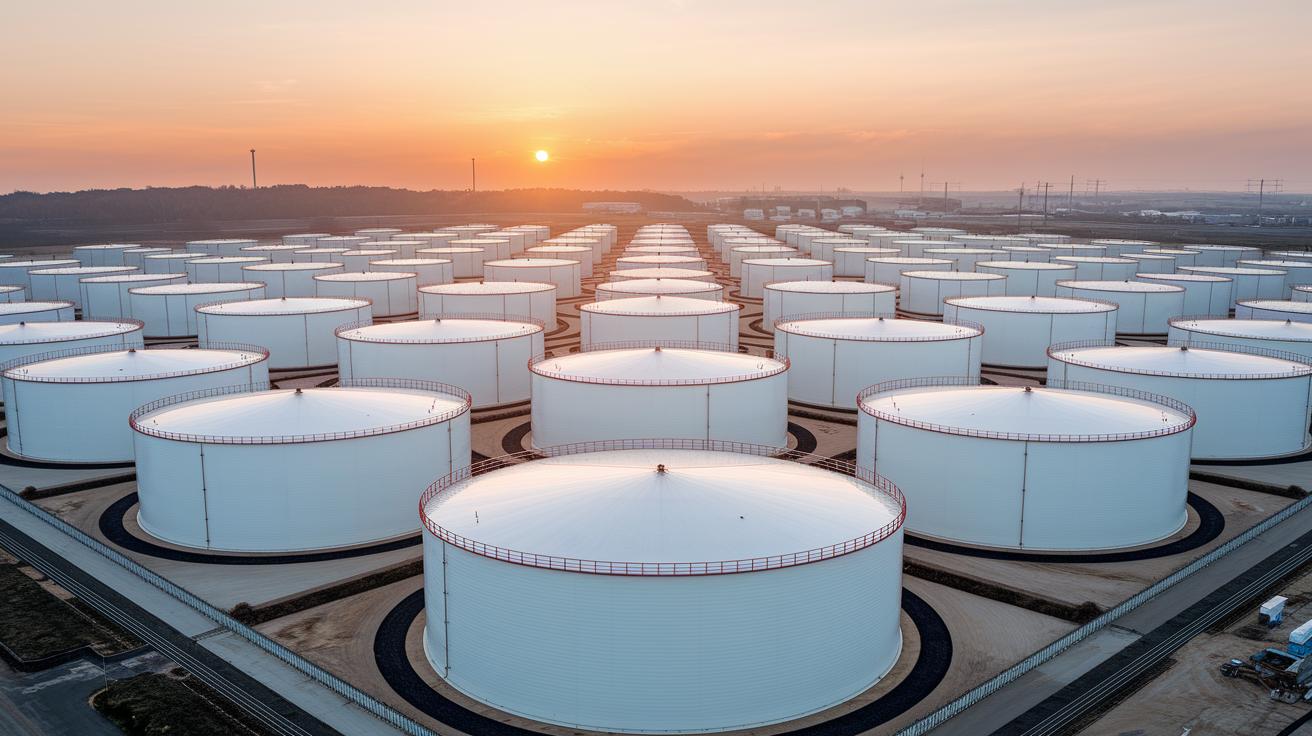
U.S. crude inventories have soared past what was expected, hinting at deeper shifts in production habits rather than just extra oil sitting on shelves. This extra oil is putting downward pressure on prices as producers around the world follow different strategies.
Here are a few key points:
- U.S. oil stockpiles jumped without relying on the same old figures.
- OPEC+ is pushing production higher to squeeze out costly competitors.
- A brief drop in output from Kazakhstan’s Tengiz field, due to maintenance, shows how even planned pauses hardly affect the overall supply.
- Extra barrels from U.S. shale add to the mix, like one more brushstroke on a painting that's already full of color.
These moves reveal that the market is dealing with an oversupply. In truth, it’s a mix of deliberate production hikes and temporary slowdowns. OPEC+ ramps up production to push high-cost producers out, while even minor scheduled dips, like at Tengiz, barely shake the global scene. And U.S. shale gains continue steadily, adding extra oil to an already overflowing market.
Demand-Side Dynamics Moderating the Oil Price Decline
Even though oil prices are sliding down, many people are still filling up their tanks. Everyday drivers rely on gasoline for their daily commutes, and that steady need helps keep the overall demand more balanced. It’s like a little safety net in a time when other fuel types are facing more challenges.
Take a look at these points:
In truth, not every fuel is dropping at the same rate. While things like air travel and natural gas usage are declining, the steady need for gasoline creates a kind of balance in the market. It’s interesting to see how these different trends mix together, softening the overall decline in oil prices. This balance could point to a more stable energy landscape if these patterns stick around.
Geopolitical Strategies Driving Further Oil Price Drops
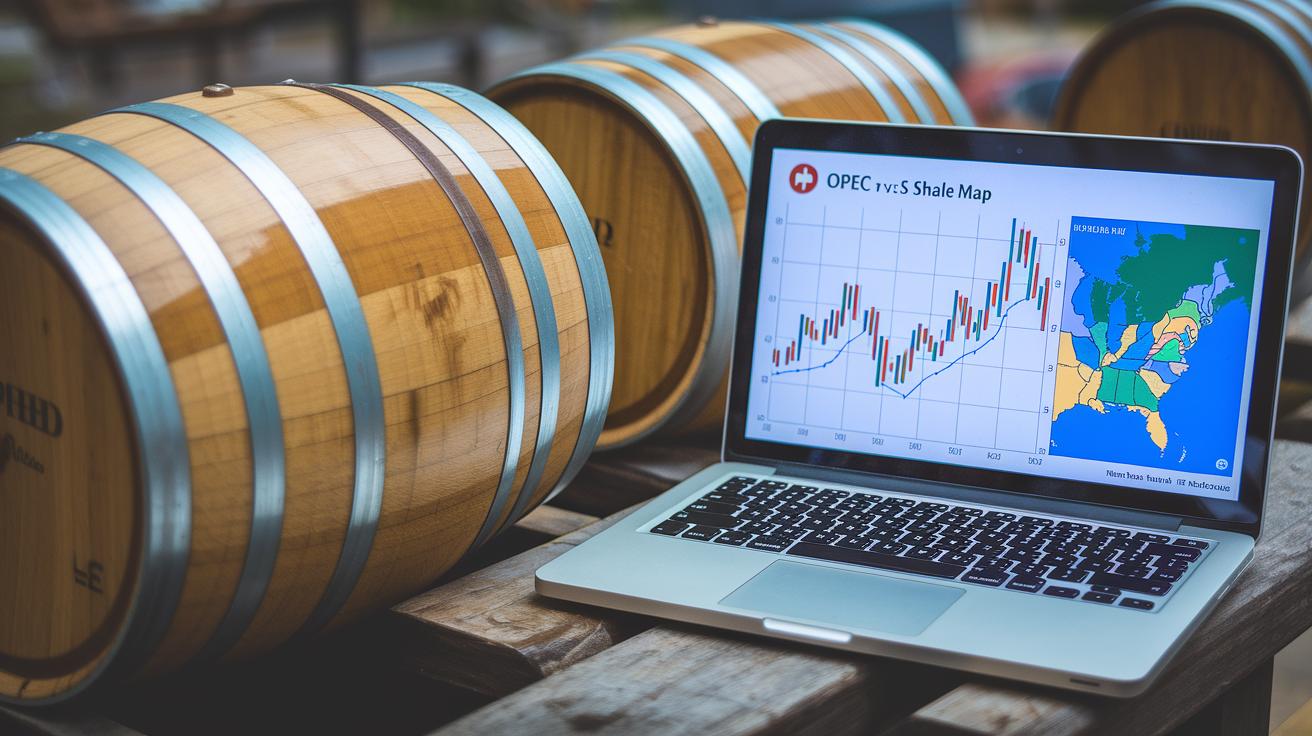
Sanctions, like Trump’s threat to impose them on Venezuela, have been making headlines. But instead of pushing prices higher, these moves have only added extra uncertainty. It shows that when politics steps in, the market doesn't always react the way you might expect.
OPEC+ Production Tactics
OPEC+ is working to lower oil prices by ramping up production. They want to flood the market so that producers who need high prices to break even can’t keep up. It’s a bit like a sports team turning up the heat to knock out the competition, planning to cut back later when the market finds a new balance.
U.S. Shale Influence on Pricing
U.S. shale producers keep things dynamic. They can quickly increase production, so if prices start to climb, more oil comes in to push them back down. Think of it as a pressure valve that releases extra oil, keeping price jumps in check.
Renewable Pivot by Oil Funds
Meanwhile, a large Norwegian oil fund worth $2.1 trillion is shifting its focus towards U.S. renewable energy. This move reflects a broader change where even the biggest players are exploring safer, alternative options amid unstable oil prices. It’s like they’re hedging their bets on a future that might rely less on crude.
All these factors, from political maneuvers and production moves to evolving investment strategies, are pushing oil prices lower. They create a market where prices stay under pressure, even as some investors hold out hope for a turnaround later on.
Consumer and Industry Implications of Oil Prices Dropping
Current changes in heating fuel prices are touching both everyday families and investors. Heating oil has dropped by 1.4¢ to about $2.48 per gallon, and gasoline prices have fallen by 2.53¢ to roughly $1.94 per gallon. Even though crude oil is now cheaper, it takes time for these savings to show up at the pump. Meanwhile, energy stocks like NGL Energy Partners are swinging wildly, with some stocks rising 26% in one day, which shows how unpredictable the market can be.
People keep a close eye on gas prices, even though the savings from falling crude oil prices aren’t felt immediately at the pump. Investors are also noticing the wild swings in energy stocks, weighing the short-term ups and downs against hopes for a steadier market ahead. In truth, households might see their fuel bills drop gradually, while industry experts get ready for an earnings season full of unexpected turns.
Forecasting Future Trends Amid Oil Prices Dropping
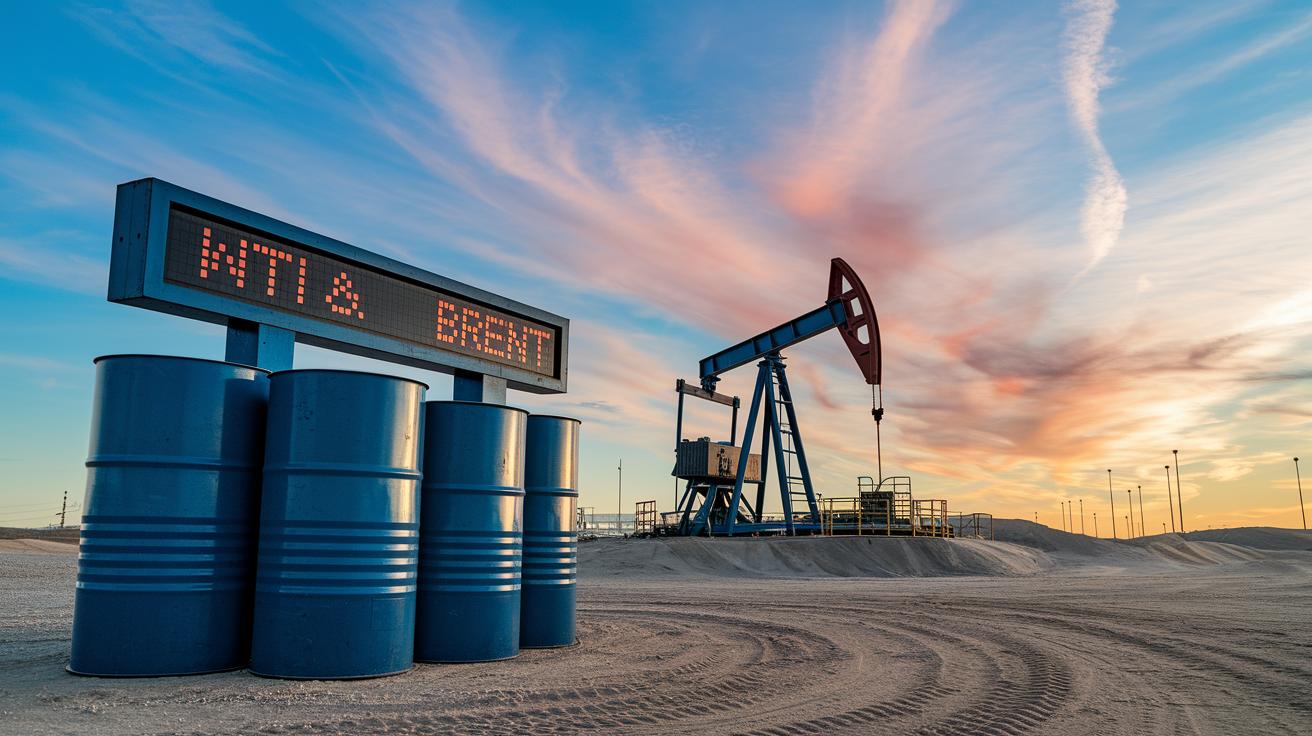
Recent trading days brought a slight rebound after three days of losses. Oil prices rose by about 0.54 percent, with December WTI ending at $59.75 (up 32¢) and January Brent closing at $63.63 (up 25¢). This small recovery may point to changes ahead, even though the market still faces some tough challenges.
Experts are looking at a few key factors. First, the timing of OPEC's supply cuts might play a big role. Second, a bounce back in demand this spring could push prices higher. Third, there might be a drop in market volatility, making trends more stable. And finally, any delay in passing lower prices on to consumers could keep things in flux.
Analysts keep a close eye on OPEC's next moves. They believe planned supply cuts could help reverse the recent downward trend. They also think that a spring demand rebound might ease some of the price pressure we've seen. Imagine the randomness of the market smoothing out into more consistent trends. Meanwhile, delays in letting consumers feel the lower prices might continue to shake up market dynamics.
If these ideas turn out to be right, traders and policymakers might have to adjust their strategies. A tighter supply later in the quarter could signal a better balance and boost confidence in the energy sector's recovery. Keeping an eye on these trends will be important as the market shifts from its current choppy state to a steadier phase, affecting investment choices and broader economic policies.
Final Words
In the action, our discussion centered on oil prices dropping, highlighting recent price shifts and a surge in crude inventories. We unraveled how supply surpluses and smart moves by key players keep market trends in motion. The demand side showed mixed signals, with staggered consumer benefits and volatile energy stocks. Forecasts hint at a moderation in volatility, suggesting room for tactical adjustments. This snapshot leaves us with a sense of cautious optimism and a reminder that market corrections may open doors to new opportunities.
FAQ
What are today’s oil price moves and chart details?
The oil price data today shows a drop with WTI around $59.60 and Brent near $63.52 per barrel, reflecting market adjustments after a surge in U.S. crude inventories.
What is the latest crude oil news?
The latest crude oil news reports rising U.S. inventories, a slight rebound after consecutive losses, and ongoing market volatility as supply factors shape pricing.
What do oil price futures indicate?
Oil price futures reflect market expectations, as traders factor in potential supply cuts and a modest demand recovery when predicting future price adjustments.
How have crude oil prices changed from 2014 to 2021?
Crude oil prices from 2014 to 2021 experienced variable trends influenced by supply surpluses, shifting demand dynamics, and policy moves that periodically altered market pricing.
Why are the oil prices dropping?
Oil prices are dropping because of rising U.S. crude inventories and deliberate production increases by OPEC+ aimed at pressuring high-cost producers, which dims market sentiment.
What is the oil price forecast and are prices rising or falling?
The oil price forecast points to a modest rebound as inventories normalize, with expectations of OPEC supply tightening later this quarter, potentially leading to a price recovery amid volatility.