
Have you ever wondered how some companies catch trends before anyone else? Predictive trend analysis in finance is a bit like noticing the first drops of rain, so you can grab an umbrella before the storm hits.
It turns past data into clear signals for what might come next. With just a few well-placed clues, finance leaders can act fast and secure gains.
This blog explains how mixing simple numbers with modern technology helps in making smart decisions and building stronger financial strategies.
Understanding Predictive Trend Analysis in Finance
Predictive trend analysis in finance is all about turning past data and outside signals into smart guesses about the future. It uses tools like AI, statistical models, and machine learning to help us see what might be coming next. Imagine it like noticing the first drops before a rainstorm, small hints that let finance teams act before the whole storm hits. There's even a cool example where one business recovered $13 million in incorrect deductions using this method, proving its real-world impact.
Our approach works with three types of analytics: descriptive, predictive, and prescriptive. Descriptive analytics shows what happened in the past and lays the groundwork. Predictive analytics, with tools like regression and time series methods (basically looking at trends over time), figures out what might happen next. Prescriptive analytics then talks you through what actions to take based on those predictions, sort of like drawing a roadmap that explains where you've been, where you're going, and how to get there.
Companies really gain from using this blended analysis. With updates in real time, finance leaders can tweak budgets on the fly and grab new opportunities as soon as they pop up. In fact, some businesses have reported saving around $400K in interest and boosting their operations' flexibility. By mixing machine learning with classic statistical methods, predictive trend analysis cuts down on uncertainty and gives a smart edge in planning for tomorrow in an ever-changing market.
Key Methodologies for Predictive Trend Analysis in Finance
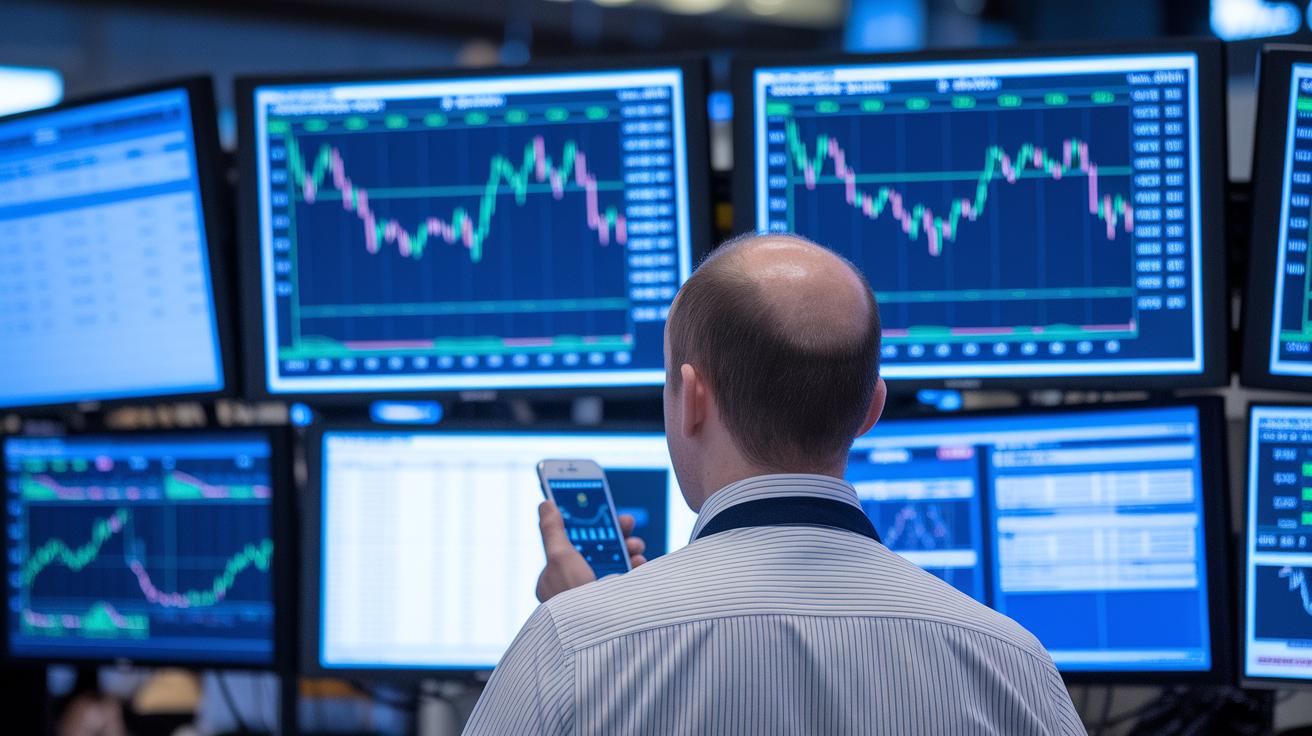
Predictive trend analysis in finance uses three main methods to help us make sense of old and new data. It all starts with gathering and cleaning up information, even including things like news headlines or social media chatter, to build models that give us a clear look into what might happen next. This approach helps finance teams spot even the tiniest hints and get ready for market moves using smart stats techniques.
Descriptive Models
Descriptive models dig into past data to find steady patterns. They go through old financial records and performance numbers to build a baseline for trends. For example, imagine analysts pouring over years of trading data to spot cycles that repeat over time. That steady foundation gives them a solid base to build more detailed forecasts.
Predictive Models
Predictive models work like a weather forecast for the market. They use methods such as regression analysis and ARIMA, which are techniques to study time series data, and mix in current economic signs with past trends. This combo helps them estimate what market moves might come next. Think of it as checking the forecast before you head out: by looking at what happened before, you can get a pretty good idea of what’s likely to come.
Prescriptive Models
Prescriptive models go one step further by suggesting practical actions. They use tools like simulation and optimization to run through different market scenarios and then advise on the best course of action. It’s a bit like plotting several routes on your GPS and then choosing the quickest one. This way, finance teams can pick a strategy that fits today’s conditions while keeping an eye on what the future might hold.
Leveraging AI and Machine Learning for Predictive Trend Analysis in Finance
AI and machine learning are changing the way finance teams predict trends and manage risk. These smart systems work a bit like a friendly guide, sorting through tons of data from all over the globe. They look at numbers from inside a company and also pay attention to outside signals like new rules and shifts in market competition. Think of it like checking a weather app that shows both your local weather and the forecast for the whole world. This clever blend of deep learning and algorithm-driven insights speeds up forecasting from months down to days, making budgeting feel much more dynamic and ongoing.
Machine intelligence also helps teams see opportunities early and stay competitive. By mixing past numbers with current economic trends and customer behavior, these systems give decision-makers a clear picture of what might come next. And because these models update in real time, any sudden changes, like a shift in supply chains or spending habits, show up almost instantly. This quick response lets leaders adjust their strategies on the fly, ensuring they keep up in fast-changing times.
- Contextual Decision-Making: It mixes regulatory changes, shifts in competition, and economic clues with your own data to guide smart decisions.
- Precision at Scale: It quickly processes huge amounts of global data to keep projections clear and accurate.
- Real-Time Agility: It continuously refreshes its insights to match the pace of shifting trends.
- Scenario Mastery: It outlines multiple future outcomes so you can pick a flexible strategy that works best.
Data Sources and Preprocessing for Predictive Trend Analysis in Finance

When it comes to predicting market trends, the first step is gathering a mix of different data. We pull in structured data like price charts, financial statements, and transaction logs, along with unstructured data such as news articles and social media chatter. This blend helps us catch the little details in market movements and builds a strong base for big data insights. In short, mining market signals and real-time analytics work together to give finance teams an early warning system to spot trends. And by combining data from all these sources, we get a clear, unified view that sharpens our forecasts and backs smarter decision-making.
Preprocessing is just as important. It means cleaning the data to remove any mistakes, standardizing numbers so everything lines up, and filling in missing pieces so nothing is overlooked. We also adjust and transform the data for an even smoother analysis. Adding extra datasets strengthens these predictions even more. With clean, well-prepared data in hand, predictive trend analysis can really fuel growth by powering strategies that keep you ahead in the market.
Software and Tools for Predictive Trend Analysis in Finance
Modern software tools have completely changed how finance teams work with data. They take a jumble of numbers and turn them into clear, simple insights. Today’s tools cover everything from smart spreadsheets loaded with forecasting formulas to cloud-based AI services and interactive dashboards that help you see the market trends clearly.
These solutions let you watch the market in real time. That means you can quickly change your strategy when new trends pop up. And with mobile analytics, you can check important numbers, like how many days it takes to collect sales revenue, no matter where you are.
- Spreadsheet platforms with advanced forecasting formulas offer easy-to-use templates and detailed insights.
- Cloud-based AI services deliver fast, scalable predictions by combining loads of financial data.
- Interactive dashboards provide visual snapshots that make tracking trends a breeze.
- Mobile analytics tools ensure you have key performance numbers at your fingertips anytime, anywhere.
- Next-gen forecasting systems, famous for features like AR automation and sharp prediction accuracy, are driving fresh innovations in digital forecasting.
Applications of Predictive Trend Analysis in Finance for Investments and Risk Management

Predictive trend analysis is making a real impact in finance. Banks, for example, use models filled with many factors like spending habits and payment history to decide if a loan is a safe bet. It’s a bit like watching small ripples on a pond before the big wave comes. When these early hints are spotted, teams can act fast and wisely.
These techniques are also used to group customers based on their behavior. By examining transaction histories, financial institutions can tailor their offerings to different client groups. This approach not only boosts customer engagement but also helps manage risks by focusing on key factors such as market conditions or cash flow needs. Imagine a busy trading floor where every second counts; quick, smart decisions are essential.
Many companies have already seen the benefits. Some have recovered losses in incorrect deductions and saved on interest costs by forecasting issues more accurately. Even accounting teams are now catching financial irregularities sooner and working more efficiently. In truth, these predictive insights streamline daily operations while strengthening overall investment strategies and risk management practices.
Validating Predictive Trend Analysis Models in Finance
When we check how well our predictions work, we start by taking a good look at past data. We test our models on old numbers (backtesting) and also split the data into parts to double-check performance (cross-validation, which means using different sets of data to train and test the model). These steps help us see any problems early on and build trust in our forecasts.
We also use simple error measures, like MAE (Mean Absolute Error) and RMSE (Root Mean Squared Error). Think of these as report cards showing how close our predictions are to what really happened. It’s like seeing if our guesses match up with the score at the end of a game.
To get an even clearer picture, we set aside some data we haven’t used yet (holdout samples). This lets us see if our model can handle fresh information without any bias. It’s a bit like trying out a new recipe to see if it works just as well outside the kitchen.
Then there’s Explainable AI. This tool gives us clear insights during reviews and audits, making sure everything is above board. And because the financial world is always changing, we retrain our models regularly with the newest data to prevent them from getting outdated. In other words, these updates help keep our predictions strong and reliable all the time.
By taking these steps, finance teams can have confidence in their models. They know the numbers are checked, the methods are clear, and the forecasts stand strong, no matter what the market brings.
Final Words
In the action, this article broke down how advanced statistical models, real-time data inputs, and AI-driven predictions shape smart financial moves. We explored descriptive, predictive, and prescriptive methods, examined top software tools, and recognized proven techniques to manage risks. The insights shared help refine investment strategies and support clear decision-making. Embracing predictive trend analysis in finance offers a clear edge that can boost confidence and lead to well-informed, steady progress for investors.
FAQ
Q: What is predictive trend analysis in finance?
A: Predictive trend analysis in finance uses statistical methods and AI to forecast financial trends by analyzing historical data and external factors, helping guide strategic investment decisions.
Q: Can you share an example of predictive trend analysis in finance?
A: An example involves using AI-driven models to study past cash flows and market data, allowing firms to project future revenues and adjust strategic plans effectively.
Q: Where can I find predictive trend analysis in finance PDF resources?
A: PDF resources on predictive trend analysis in finance provide detailed case studies and step-by-step models that illustrate how statistical techniques and machine learning methods forecast market trends.
Q: What is predictive analytics in finance and accounting?
A: Predictive analytics in finance and accounting applies machine learning and statistical tools to historical records, helping forecast trends, assess risks, and streamline processes like credit scoring and fraud detection.
Q: How does predictive AI in finance work?
A: Predictive AI in finance couples machine learning with global data sets, rapidly identifying market patterns and regulatory influences to deliver real-time forecasts that shape sound investment strategies.
Q: How does data analytics in finance drive decision making?
A: Data analytics in finance transforms both structured and unstructured data into actionable insights, supporting strategic decisions by clarifying market signals and underlying performance trends.
Q: How do you perform trend analysis in finance?
A: Performing trend analysis in finance involves collecting historical market data, applying regression and time series techniques, and refining forecasts with real-time signals to effectively guide strategy updates.
Q: What are the three types of predictive analysis?
A: The three types of predictive analysis are descriptive, predictive, and prescriptive analytics, each playing a unique role from summarizing past data to forecasting trends and recommending optimal strategies.