
Have you ever noticed how technology is shaking up the world of equity trading? Digital tools let traders buy stocks in seconds, which makes old-style methods seem outdated. Even everyday investors can now see chances that once seemed out of reach, thanks to fast computer systems and smart algorithms. But with speed come challenges. Traders have to weigh quick wins against the risks they take. In truth, technology is not just changing trading, it is completely reinventing it, blending bold innovation with careful risk management.
Comprehensive Overview of Technology’s Impact on Equity Market Trading
Technology has really changed how the stock market works, turning old-fashioned trading on its head. Nowadays, traders can use digital tools to execute even the most complex strategies in a flash. For instance, did you know algorithmic trading can finish trades in just seconds, way faster than the minutes it takes to do things manually? This shift shows just how much technology has redefined the way we approach buying and selling stocks.
High-frequency trading, a type of algorithmic strategy, uses super-fast computer systems to grab quick market opportunities. Picture a trader using machine learning to guess where stocks are headed, then letting a computer make decisions as the market moves. These cutting-edge tools blend old data with lightning-fast action to create smarter trades. But they also mean traders need to rely on strong tech systems because, with digital trading, market ups and downs can feel more intense and rapid.
Digital trading isn’t just for the pros anymore. Modern software has opened the doors for everyday investors to get in on the action directly. Even as tech leads the way towards smarter investments, it brings risks too, like over-relying on technology that might fail. In truth, every trade today is a mix of speedy innovation and the careful balancing of risk, a reminder to keep one eye on the future and the other on potential pitfalls.
Algorithmic and High-Frequency Execution in Equity Market Trading
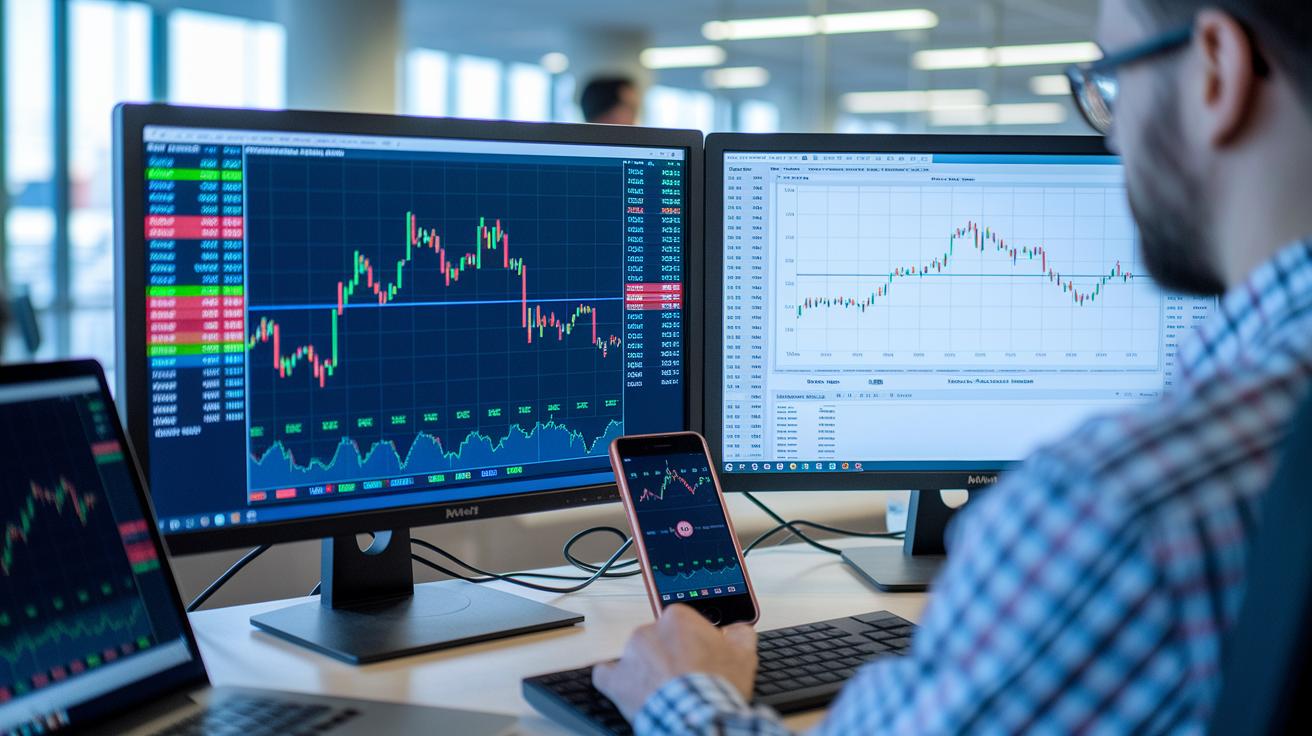
Algorithmic trading uses set rules derived from past market data to automatically buy or sell stocks when certain prices hit. It’s like having a smart assistant ready to act in the blink of an eye. Instead of waiting for a person to click a button, these systems make trades in just seconds, catching even the tiniest market moves.
High-frequency trading is a prime example. Imagine software teamed up with super-fast internet and cloud systems, handling thousands of trades almost instantly. There was even a time when a system completed thousands of trades in under one second during a quick market change, pretty wild, right?
But, with all this speed, things can heat up quickly. When too many trades happen all at once, it can make prices swing more wildly and put extra pressure on trading systems. So, companies have to be careful, balancing the awesome speed of these machines with the risks they bring. Understanding how these techniques work helps us see how tech shapes today’s stock market, mixing rapid-fire efficiency with a dash of unpredictability.
Digital Platforms and Mobile Trading in Equity Market Trading
Digital platforms have really changed how we trade stocks, letting everyday investors take control. With these online tools, you can buy or sell stocks without needing a broker. This means you can easily check your investments and make trades straight from your phone, even during a lunch break. It’s as simple as a tap on your screen.
Modern systems send your orders quickly, much like having a direct, fast line to the market. They work to make sure your trades go through smoothly and without delay. Plus, tools that show real-time bid and ask prices help you see the actual value of stocks as you trade. Cloud technology supports these platforms by handling lots of orders at once, so more people can join in.
By cutting out the old middlemen, mobile trading apps and digital tools give every trader the chance to respond quickly as market trends change. Imagine switching your strategy just as a new trend peaks, the speed and flexibility you need are right at your fingertips, thanks to today’s smart trading technology.
Artificial Intelligence, Big Data, and Analytics in Equity Market Trading
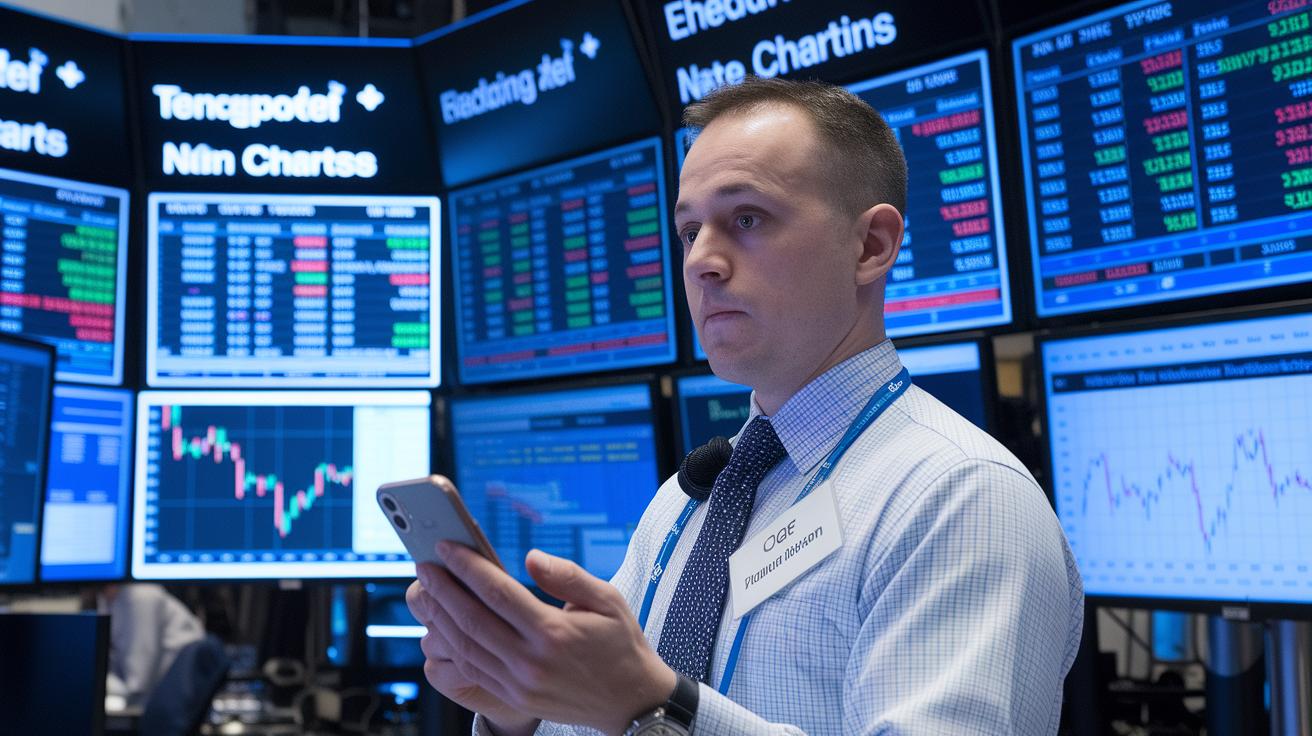
AI-driven sentiment analysis is changing the way traders catch the mood of the market. Picture a computer zipping through countless news headlines and social media posts, much like a friend scanning the morning paper for a hot stock tip. Sometimes, a single tweet about a tech breakthrough can be like a whisper in the market, hinting at a possible rally.
Big data analytics takes it a step further by sifting through mountains of market numbers to spot hidden patterns. Imagine looking at hundreds of stock charts at once, with each detail adding up to a clear view of market trends. In plain terms, it’s like having a detailed map that shows you the best spots to invest based on ongoing shifts.
Then there are machine learning models, a smart type of AI that crafts trading signals from past data. Think of them as seasoned traders who learn from previous wins and losses, tweaking their strategies along the way. It’s a bit like following a trusted recipe, mixing historical market ingredients to serve up a potentially profitable dish.
Robo-advisors bring another layer of ease by using clever algorithms to manage investment portfolios. This approach makes investing simpler and more affordable. At the same time, predictive analytics platforms keep an eye on risks by monitoring market changes in real time, helping traders make well-informed, data-backed decisions.
Blockchain Technology and Electronic Market Venues in Equity Market Trading
Blockchain is changing how we trade stocks by keeping a record that nobody can change. It’s like writing in a diary that can never be erased, a secure digital safe that stores every trade for good.
Smart contracts help clear trades automatically when all the rules are met. Think of them as a friendly robot that checks each condition before a trade goes through. This smart setup cuts down on slip-ups and makes sure no one can suddenly back out.
Equity token offerings are opening new digital doors in trading. These tokens let investors own parts of a company in fresh ways, without sticking only to traditional exchanges. Plus, using distributed ledger technology helps manage digital orders smoothly and keeps every trade secure.
Many traders now see these tools as ready-to-use gadgets that not only boost security and clear thinking but also widen the use of technology in stock trading.
Cybersecurity, Compliance Analytics, and Risk Management in Equity Market Trading

Today's digital trading systems face big challenges when it comes to keeping finances safe. These modern platforms process huge numbers of trades at lightning speed, which makes them tempting targets for hackers looking to steal private data or interrupt operations. To guard against these threats, strong security measures are used. These include robust encryption (a way to scramble data), multi-factor authentication (verifying your identity in more than one way), and round-the-clock monitoring.
Compliance analytics acts like an early warning system. It carefully watches each trade, flagging any unusual patterns that might hint at rule-breaking. Imagine it as a digital watchdog that alerts you right away when something seems off, much like a sensor that goes off when it detects an irregularity. Paired with detailed audit trails and blockchain logging, these tools help keep trade activities transparent and uphold strong governance standards.
Risk management uses math-based models to measure market ups and downs and keep risks under control, ensuring that decisions are made based on solid data. When markets get turbulent, resilient systems rely on backup measures and solid security protocols to reduce disruptions. At the same time, new regulatory technologies are making rule checks and automated monitoring even faster at spotting and solving issues. All of these efforts work together to balance cutting-edge innovation with a secure and steady trading environment. In short, strong cybersecurity in finance is a cornerstone in protecting our fast-paced digital trading world.
Future Trends and Potential Risks in Technology-Driven Equity Market Trading
Technology is making stock trading faster than ever before. New systems can execute trades in just seconds, which sometimes causes wild ups and downs in the market. It's like watching a roller coaster, one moment, everything is calm, and the next, there's a big rush.
Reliable energy and solid digital access are key to making sure these tech improvements work well. In some parts of Latin America, for instance, weak internet connections and old infrastructure might hold back these benefits. That’s why investing in better energy sources and digital networks is so important.
New AI tools are stepping in to help with routine tasks, like checking rules and tax details. These tools cut down on mistakes and free up time, adding extra safety measures in our fast-paced trading world. It’s a small, smart check that can make a big difference.
Traders are now blending rapid trading with careful risk management techniques. They are using digital improvements and smart AI to keep the market steady. This mix of speed and safety is turning the market into a more connected, secure space, ensuring everyone can trade with a bit more peace of mind.
Final Words
In the action of today's discussion, we've seen how digital platforms, advanced algorithms, and AI reshape equity market trading. Technology boosts speed, increases market access, and even improves risk management with fresh insights. We also looked at how cybersecurity and blockchain keep data safe while smart systems drive better trading decisions. The impact of technology on equity market trading stands as a powerful force that makes investing smarter and more efficient. Stay informed and keep an eye on emerging trends to build confidence in every trade move.
FAQ
What is the impact of technology on equity market trading?
The impact of technology on equity market trading is that it speeds up transactions through automation and algorithms, making trading more efficient while also increasing market volatility and reliance on digital systems.
How do artificial intelligence tools affect stock market predictions and help beginners trade?
Artificial intelligence tools analyze vast amounts of data to offer trading signals and market forecasts. They simplify complex decisions for beginners, helping to make informed trades and manage risks effectively.
Which event might motivate investors to buy stock in a sugar company?
An event like a major change in supply or a policy shift affecting sugar production can motivate investors to buy stock in a sugar company, as it signals potential for improved earnings and market growth.
What can I find on Stock Market AI GitHub?
Stock Market AI GitHub hosts open-source projects and code repositories that developers and traders use to create and refine AI-driven trading tools, enhancing market analysis capabilities and strategy development.
What is the 7% rule in stock trading?
The 7% rule in stock trading is a risk management guideline that suggests you should not risk more than 7% of your portfolio on any single trade to help protect against significant losses.
Who owns 88% of the stock market?
It is believed that large institutional investors, including mutual funds and index funds, collectively own about 88% of the stock market, which plays a huge role in influencing market movements and liquidity.