
Ever wonder why some people pay more for the same product? Companies often use a clever pricing trick to boost their profits. They look at customer traits like age or location and charge different prices based on what each group can spend.
In simple terms, this is called third degree price discrimination. It means businesses split their customers into groups and adjust prices to turn everyday buying habits into reliable profit. Isn’t it interesting how a small pricing change can make a big difference in earnings?
Principles of Third Degree Price Discrimination
In today's market, third degree price discrimination lets companies charge different prices for the same product based on what people can pay and how much they want it. Think of it like turning extra spending power into extra profit. For instance, imagine a movie theater that charges different ticket prices depending on demand, this shows just how smart pricing can boost earnings.
Also called multi-segment pricing, this method uses easy-to-see traits such as age, where someone lives, or even the time they use a service to set prices. Picture an amusement park that offers cheaper tickets for kids and higher ones for adults. This way, companies can adjust prices for each group just as service providers might offer lower rates during quieter travel times.
For this approach to work, a few conditions must be met. The market should have some competition, but not a perfect one, and businesses need to stop people from reselling between groups. Also, there must be clear segments of customers who spend differently. Companies use tools like geographic limits or membership checks to keep things separate. Have you ever noticed how train ticket prices drop during off-peak hours? That’s one way smart pricing can really add up.
Overall, third degree price discrimination shows how slight price changes based on customer behavior can capture extra revenue. By carefully matching prices to different groups, businesses can turn everyday differences into a steady profit boost.
Market Segmentation Strategies in Third Degree Price Discrimination

Smart segmentation lines up prices with what different customers can and are willing to pay. When companies mix simple markers like age or where someone lives with more detailed factors, they get a clearer view of customer differences.
Businesses often split their customers by a few key areas. They look at age since different age groups usually have different budgets. They also consider residency, telling locals apart from visitors. Sometimes prices change depending on the day, weekday versus weekend, or even how busy it gets. And they might offer special deals for groups such as students or service workers who have unique needs.
Take Adventure World, for example. They set prices based on age and bump them up during busy times to boost revenue. In 2019, Livraria Lello offered discounts for students and locals while also paying attention to how much and how eagerly people buy. This thoughtful mix of basic info and extra details helps businesses create prices that fit both steady customer traits and changing market moods.
Key Conditions and Implementation Mechanisms for Third Degree Price Discrimination
Companies need to check off three main boxes to make third degree price discrimination work well. First, they have to spot customer groups who react differently to changes in price, sort of like noticing that business travelers don’t mind paying a bit more while leisure travelers are more picky. Next, they need to stop shoppers from hopping between groups to nab the cheaper deal. And finally, a company must have enough market clout so competitors don’t force everyone into the same price tag.
In simple terms, here’s what works:
- Different price responses: Each group should show a unique reaction when prices change.
- Stopping price jumping: Make sure buyers can’t switch groups to take advantage of lower prices.
- Market control: Hold enough influence in the market so that prices can be set without outside pressure.
Take airline pricing, for instance. Leisure travelers are usually more careful about spending, while business travelers might not be as sensitive to a higher fare. By watching how each group adjusts its buying habits when prices change, companies can tweak rates to capture a bit more extra money without pushing away the price-sensitive customers.
There are a few practical tricks to keep these price layers in place. For example, firms might issue special membership cards to limit offers, apply discounts only within certain regions, or tailor services to different customer profiles. These steps make sure that the price differences stick and each group helps boost the overall profit.
Industry Examples of Third Degree Price Discrimination in Action
Let's chat about how companies tailor their prices to meet different customers' needs. By checking out real-life examples across various fields, we see how businesses adjust costs based on who is buying, when they’re buying, or even what special group they belong to.
Restaurant and Service-Industry Discounts
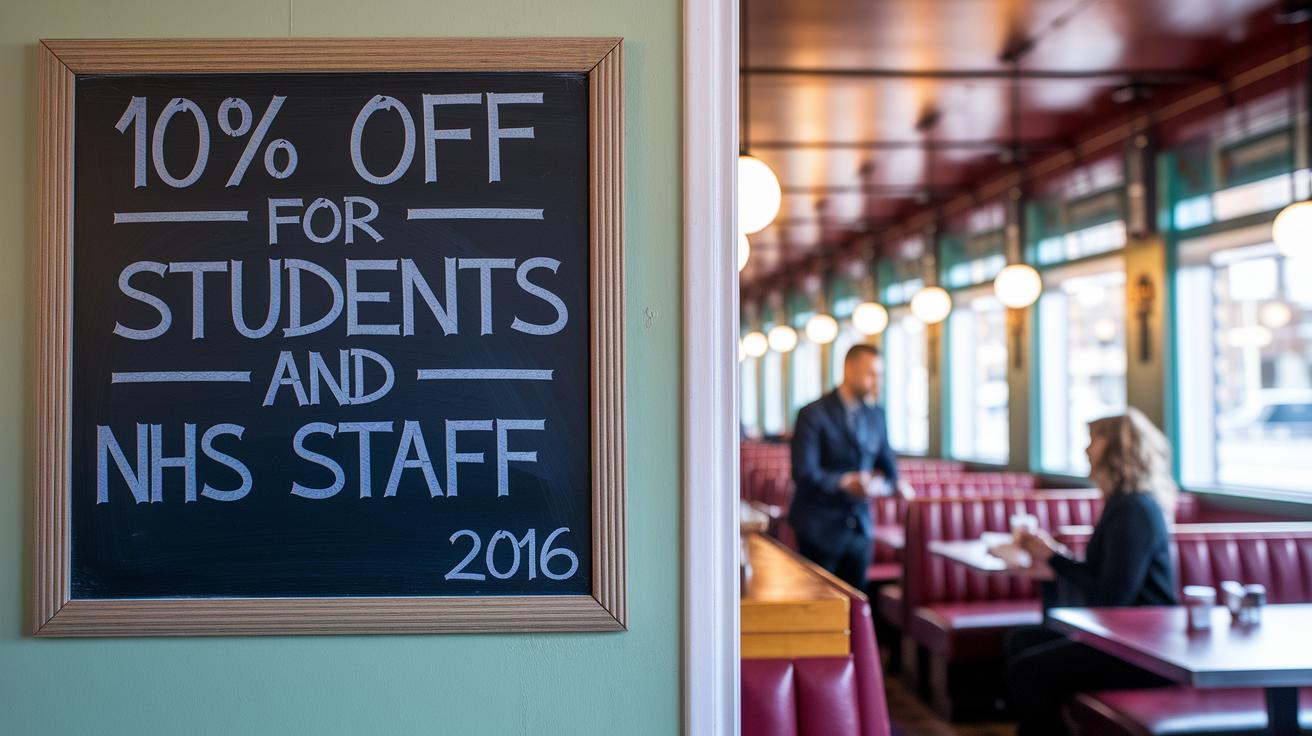
Many local restaurants and service providers offer special discounts to groups like students or NHS staff. Imagine a busy diner reading a chalkboard menu that says, "Students and NHS Staff Enjoy 10% Off Tonight's Special!" This friendly discount makes meals more affordable for those on a tight budget while also filling seats during slower times. It’s a win-win that encourages people to return regularly.
Transportation Fares
Train services and other transit companies use similar tricks with their pricing. They often lower fares for older passengers and children, or offer reduced rates during off-peak times, like on a Tuesday. Picture a commuter choosing a midweek ticket at half the usual cost; this smart pricing boosts travel on quieter days and helps keep everything running smoothly.
Leisure and Entertainment
Even entertainment venues adjust ticket prices based on when and who is attending. A theater, for instance, might offer lower-priced tickets for seniors and children on weekdays and then raise prices on weekends when more people want to go. This mix of pricing not only fills seats but also creates a pleasant experience for families and regular visitors alike.
All in all, these examples show that when businesses set prices that match the unique needs of different groups, they can enhance overall revenue while keeping their offerings accessible and attractive.
Profit Effects and Consumer Surplus in Third Degree Price Discrimination
When companies set different prices for different groups, it can really change how much money they make. By matching prices to what each group is willing to pay, a business can capture extra value that a single price might leave on the table. In simple terms, it turns the extra money buyers were willing to pay (called consumer surplus) into extra earnings for the company (producer surplus). This helps the firm boost revenue and cover fixed costs, even when business is slow.
| Scenario | Price | Revenue |
|---|---|---|
| Single Price | $5 | $5 per sale |
| Segmented Tiers | Varies | Higher overall revenue |
When businesses adjust prices based on who is buying, the difference between what customers are willing to pay and what they actually pay gets smaller. That extra money slides over to the company, which means better profits and more captured value than if they stuck with one price for everyone.
However, there are some trade-offs. Some customer groups might end up paying more during busy times or for extra services, which can feel a bit unfair. Still, most of the time, the increased profits from this smarter pricing strategy more than make up for any worries about fairness.
Legal and Ethical Considerations of Third Degree Price Discrimination
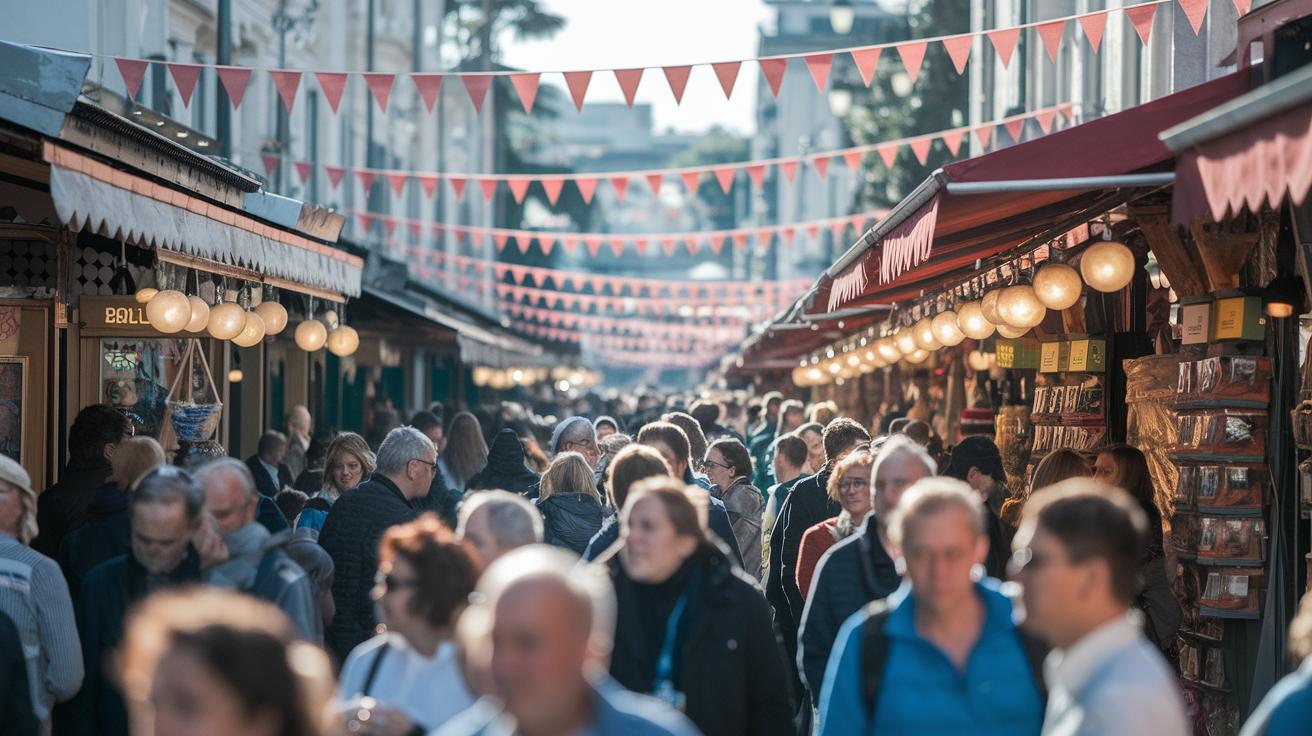
Sometimes companies set different prices for different groups, and that can lead to debates over fairness. You might notice that while locals pay one price, tourists could be charged more, and many feel this isn’t right. Tourism boards have even spoken up, questioning if these higher rates for visitors put some people at a disadvantage.
Regulators keep a close eye on these practices. They check that pricing differences follow antitrust and consumer-protection rules. In simple terms, companies must explain why prices vary, using clear, market-based reasons. This means firms always need to review and adjust their pricing to stay within legal limits.
New guidelines suggest a balanced way to handle market segmentation. Instead of using random factors, companies are encouraged to set prices based on real economic differences. This approach helps mix ethical practices with profit goals, ensuring that everyone is treated fairly and maintaining the trust of consumers.
Final Words
In the action, we walked through the key ideas behind third degree price discrimination. We covered how companies set different prices based on customer traits, reviewed core market conditions, and looked at real-life examples in restaurants, transport, and leisure activities. We even touched on risk management strategies and secure financial practices that support a smarter business model. This approach shows how tailoring prices helps firms capture more profit while managing customer expectations. Positive, clear strategies like these keep the market engaging and empower savvy decision-making.
FAQ
What are examples of third degree price discrimination in real life?
The third degree price discrimination examples show firms charging different prices based on group traits, like offering discounts to students at restaurants, lower fares for seniors on train tickets, or varied rates at theme parks.
What is second-degree price discrimination?
The second degree price discrimination means offering discounts or package deals that let consumers choose pricing tiers based on quantity or product version, enabling customers to self-select their preferred option.
What is first-degree price discrimination and can you give an example?
The first-degree price discrimination involves charging each buyer the maximum they are willing to pay, similar to auction settings where personalized pricing extracts the highest possible payment per individual.
What is the difference between 1st, 2nd, and 3rd degree price discrimination?
The difference lies in targeting techniques: first degree tailors prices to individuals, second degree lets buyers self-select via pricing menus, and third degree charges different groups based on identifiable traits.
What is third degree price discrimination in economics and for monopolies?
The third degree price discrimination in economics and monopolies means charging varying rates to different customer groups based on demand elasticity, which maximizes profits when a firm holds significant market power.
How is third degree price discrimination illustrated in a diagram?
The third degree price discrimination diagram typically shows separate demand curves and pricing points for each market segment, highlighting how firms adjust prices based on customers’ varying willingness to pay.
What is fourth degree price discrimination?
The fourth degree price discrimination is a less common concept that may refer to more advanced pricing strategies beyond the three main degrees, often involving detailed consumer data to refine prices even further.
Where can I find resources like a third degree price discrimination pdf?
The third degree price discrimination pdf usually refers to academic papers or industry reports that include detailed models, examples, and economic analysis; checking reputable educational websites or research libraries can be very helpful.